Continuity planning software is an essential tool for organizations aiming to ensure their operations can withstand disruptions. In today’s fast-paced and often unpredictable business landscape, having a robust continuity strategy is more critical than ever. This software aids in identifying potential risks, creating responsive action plans, and maintaining essential functions during crises. By employing these digital solutions, businesses can enhance their preparedness, streamline communication, and foster a culture of resilience.
Understanding continuity planning software involves recognizing its core purpose: to safeguard an organization’s interests and minimize downtime. This software provides key features that set it apart, including risk assessment tools, communication platforms, and integration capabilities with existing systems. Various organizations—from small startups to large enterprises—stand to benefit significantly from these tools, as they facilitate effective planning and prompt responses to unforeseen events.
Understanding the Fundamentals of Continuity Planning Software
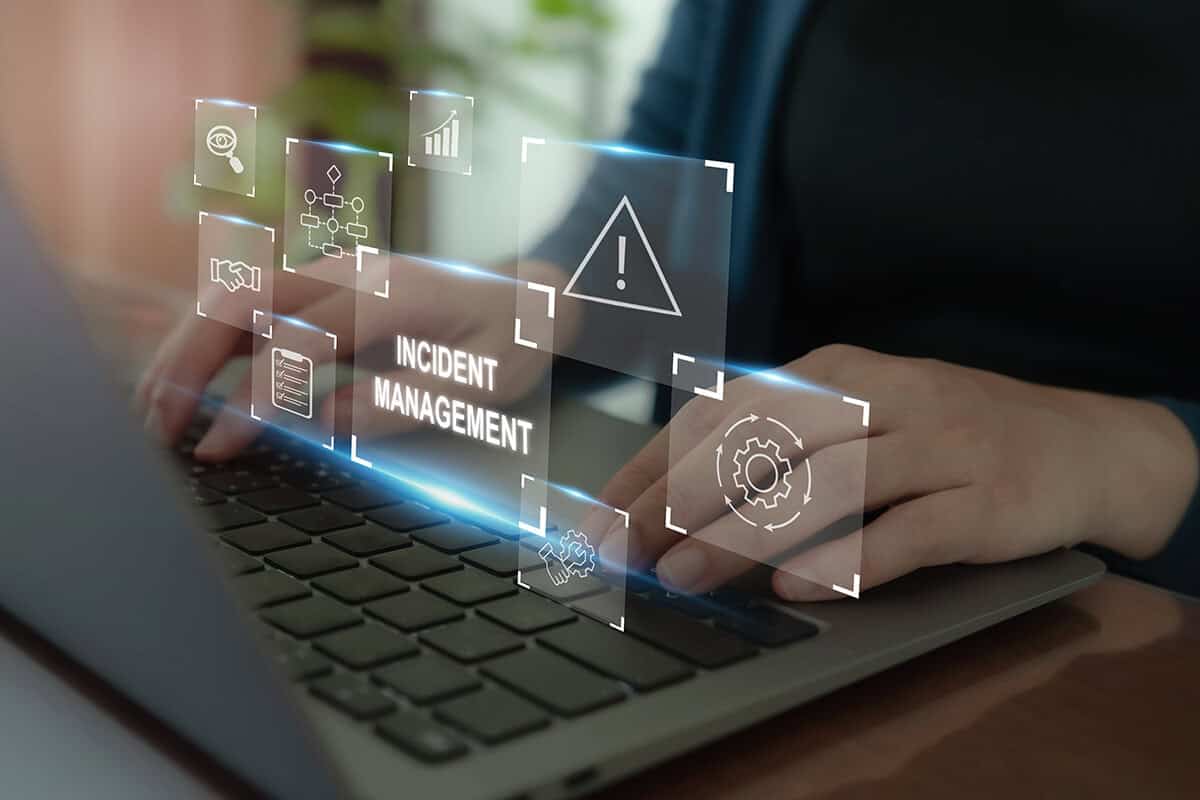
Continuity planning software is a pivotal tool designed to help organizations prepare for, respond to, and recover from unforeseen disruptions. Whether caused by natural disasters, cyber threats, or other emergencies, the need for a structured response is paramount. This software serves a dual purpose: to establish a strategic framework for resilience and to ensure that organizations can maintain critical operations during crises.
By implementing continuity planning software, businesses can mitigate risks, reduce downtime, and protect their assets and reputation.The main features that set effective continuity planning software apart include risk assessment capabilities, incident management tools, and recovery planning modules. Effective software should allow organizations to identify vulnerabilities and evaluate potential impacts on operations. Risk assessment features enable users to categorize risks based on severity and likelihood, making it easier to prioritize response efforts.
Additionally, incident management tools help organizations document incidents, track response actions, and facilitate communication during a crisis.
Main Features of Continuity Planning Software
To maximize effectiveness, continuity planning software should offer several key features that enhance the planning process. The following highlights essential capabilities that organizations should look for:
- Risk Assessment Tools: These features allow organizations to evaluate various risks, creating a comprehensive risk profile that identifies potential threats and vulnerabilities.
- Automated Notification Systems: The software should provide automated alerts to team members, ensuring timely communication during an incident, which is vital for coordinated responses.
- Business Impact Analysis (BIA): A robust BIA feature helps organizations understand the implications of disruptions and prioritize recovery efforts based on critical operations.
- Customizable Recovery Plans: Effective software enables users to create tailored recovery strategies that can be adjusted based on specific organizational needs and scenarios.
- Training and Testing Modules: Built-in training tools allow organizations to conduct drills and simulations, ensuring staff are familiar with the continuity plan and can execute it efficiently.
- Report Generation: Automated reporting features provide insights into planning effectiveness, compliance, and areas needing improvement, facilitating ongoing evaluation and refinement of strategies.
The types of organizations that benefit most from using continuity planning software span various sectors. Enterprises that are particularly vulnerable to disruptions, such as healthcare facilities, financial institutions, and utilities, require robust continuity plans to safeguard operations and maintain service delivery. Additionally, organizations in sectors such as manufacturing and technology, where supply chain disruptions can have significant repercussions, find value in implementing continuity planning software.
“Effective continuity planning is not just about recovery; it’s about resilience and the ability to adapt to changing circumstances.”
To illustrate, consider the healthcare sector, where unexpected events like pandemics or natural disasters can pose severe challenges. Hospitals using continuity planning software are better equipped to manage patient care, allocate resources, and communicate effectively during crises. Similarly, financial institutions that integrate these tools can ensure compliance with regulatory requirements while maintaining trust among stakeholders, thereby safeguarding their operations against unforeseen disruptions.
The Importance of Continuity Planning in Business Operations
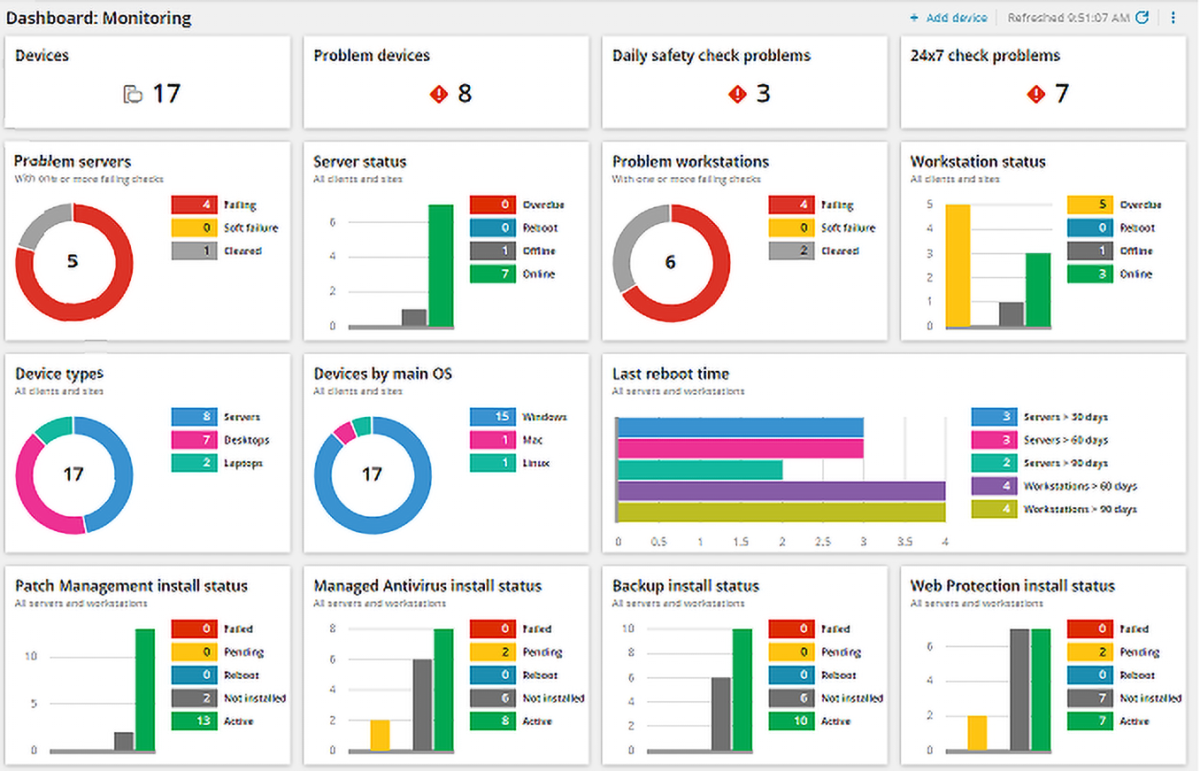
In today’s unpredictable business environment, continuity planning has emerged as a vital strategy for organizations of all sizes. It ensures that businesses can maintain their essential functions during and after a disruption, which can arise from various sources, including natural disasters, cyberattacks, or even pandemics. The significance of continuity planning cannot be understated, as it not only safeguards a company’s operational integrity but also protects its reputation and financial stability.Continuity planning plays a critical role in risk management and operational resilience.
By identifying potential risks and establishing protocols to minimize their impact, businesses can prepare for unforeseen events. This proactive approach allows organizations to rapidly respond to disruptions, ensuring that they can continue delivering products and services to their customers. It also helps in building a strong reputation among stakeholders, as clients and partners often prefer to engage with businesses that demonstrate reliable risk management practices.
Real-World Examples of Effective Continuity Planning
Several scenarios illustrate how effective continuity planning has made a significant difference in organizations’ ability to navigate crises. One notable example is the case of Marriott International during the COVID-19 pandemic. The hospitality giant implemented a comprehensive continuity plan that included enhanced cleaning protocols, flexible booking policies, and robust communication with guests. This proactive strategy allowed Marriott to quickly adapt to the rapidly changing environment, preserving customer trust and mitigating financial losses.Another striking instance is that of financial institutions during the 2008 financial crisis.
Banks that had prepared continuity plans were able to react swiftly to market fluctuations, maintain essential services, and reassure their clients. For example, JPMorgan Chase leveraged its continuity strategies to navigate operational challenges while still offering critical services, thereby reinforcing its position as a stable entity in a tumultuous economy.As businesses increasingly rely on technology, continuity planning becomes even more crucial.
For instance, consider the impact of cyberattacks on organizations; companies like Target and Equifax faced significant operational disruptions due to data breaches. However, organizations that had established robust incident response and continuity plans were able to mitigate damage and recover more swiftly. Their preparedness not only minimized financial loss but also helped restore customer confidence.In conclusion, the importance of continuity planning in business operations cannot be overstated.
Its role in risk management and operational resilience is evident through various real-world examples, highlighting the need for businesses to invest in comprehensive continuity strategies. By doing so, organizations not only secure their immediate operations but also position themselves for future success amid uncertainties.
Key Benefits of Implementing Continuity Planning Software
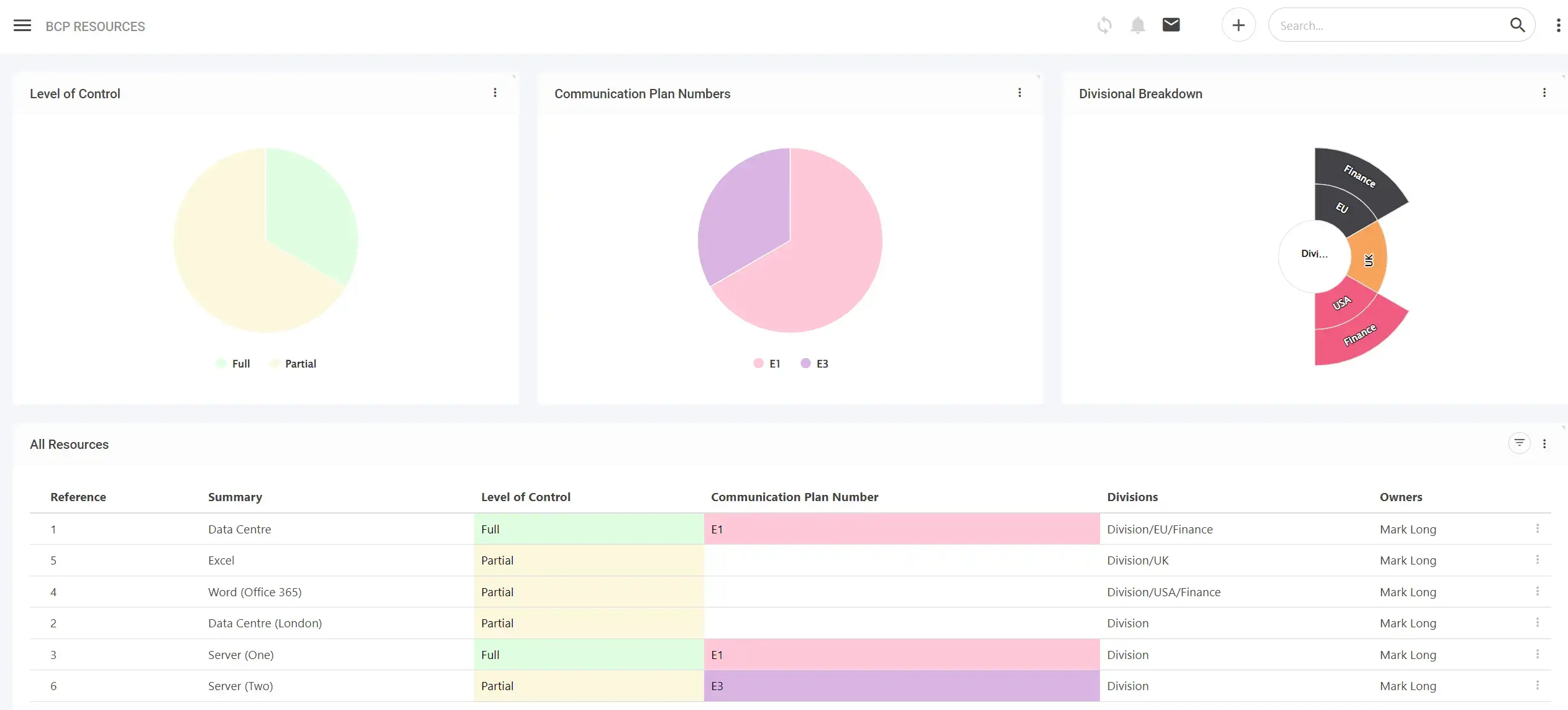
Implementing continuity planning software offers numerous advantages for businesses striving to maintain operational resilience. This software not only streamlines the planning process but also enhances the overall effectiveness of continuity strategies. Organizations that adopt such technology often find themselves better equipped to handle disruptions, ensuring a quicker recovery and sustained operations.One of the most significant benefits of continuity planning software is the efficiency it brings compared to traditional manual planning methods.
Manual planning can be cumbersome, often requiring extensive paperwork, spreadsheets, and countless meetings to gather input from various stakeholders. This approach is not only time-consuming but also prone to errors and miscommunication. With continuity planning software, companies can centralize information, making it easier to document, update, and share plans across the organization. This centralized approach reduces redundancy, minimizes the risk of data loss, and ensures that all team members are on the same page.
You also will receive the benefits of visiting erp system accounting today.
Enhanced Communication and Collaboration, Continuity planning software
The effectiveness of continuity planning software extends beyond mere efficiency; it significantly enhances communication and collaboration during crises. When a disruptive event occurs, clear communication is vital for coordinating responses and mobilizing resources. Continuity planning software often includes features such as real-time notifications, collaborative tools, and dashboards that provide immediate access to critical information. These features facilitate seamless communication among team members, stakeholders, and even external partners.For instance, during a natural disaster, real-time updates shared through the software can inform employees about safety protocols and alternative work arrangements.
This instant access to information allows teams to work together effectively, ensuring that every member knows their role and responsibilities. Additionally, software solutions often allow for the simulation of crisis scenarios, enabling teams to practice their responses and refine their strategies in a controlled environment. Here are some key advantages of using continuity planning software:
- Streamlined Processes: Automated workflows reduce the administrative burden on teams.
- Centralized Information: All critical data is stored in one location, accessible to those who need it.
- Data Analysis: Advanced analytics tools help organizations identify vulnerabilities and assess the effectiveness of their plans.
- Regulatory Compliance: Ensures adherence to industry regulations by providing structured documentation.
- Scalability: Software solutions can grow with the organization, adapting to changing needs.
By embracing continuity planning software, organizations not only improve their crisis management capabilities but also foster a culture of preparedness. This investment ultimately pays dividends by minimizing downtime, protecting brand reputation, and safeguarding stakeholder trust.
Steps to Choose the Right Continuity Planning Software
Selecting the right continuity planning software is a crucial step for organizations aiming to ensure resilience and operational continuity. With a variety of options available, organizations must carefully evaluate their needs against the features offered by different software solutions to make informed decisions. Here are essential criteria to consider when selecting continuity planning software.
Criteria for Selecting Continuity Planning Software
Organizations should take several factors into account to ensure the chosen software meets their specific requirements. Here are key criteria that should be evaluated:
- Ease of Use: The software should have an intuitive interface that allows users to navigate easily without extensive training.
- Integration Capabilities: It must seamlessly integrate with existing systems (e.g., HR, IT, operations) to ensure a smooth flow of information.
- Scalability: The solution should be able to grow with the organization, accommodating more users and features as needed.
- Customization Options: Organizations should be able to tailor the software to fit their specific processes and policies.
- Compliance and Regulatory Support: The software should help organizations keep up with relevant regulations and compliance standards.
- Reporting and Analytics: Robust reporting features are essential for evaluating plans and assessing risks effectively.
- Vendor Support and Training: Reliable customer support and training options should be available to assist users during the implementation phase and beyond.
- Cost: Consideration should be given to not only the purchase price but also ongoing maintenance and any hidden costs.
- User Feedback: Insights from current users can provide valuable information about the software’s performance and reliability.
Comparison of Popular Continuity Planning Software Features
To aid organizations in their decision-making, here is a comparative table of popular continuity planning software options, highlighting their features:
| Software | Ease of Use | Integration | Customization | Reporting | Support |
|---|---|---|---|---|---|
| Software A | High | Yes | Moderate | Advanced | 24/7 Support |
| Software B | Moderate | Yes | High | Basic | Email Support |
| Software C | Low | No | High | Advanced | Live Chat |
The Role of User Reviews and Case Studies
User reviews and case studies play an essential role in the software selection process. They provide real-world insights and experiences from organizations similar to yours, allowing you to gauge the software’s effectiveness in practice.
“User feedback can reveal hidden strengths and weaknesses of a product that may not be evident in sales pitches.”
Analyzing case studies can showcase specific applications of the software, demonstrating how it has helped other organizations overcome challenges. This information can assist decision-makers in visualizing how the software may fit into their operational landscape, ultimately leading to a more informed and confident selection. Incorporating these insights into the decision-making process can significantly enhance the chances of selecting a software solution that meets your continuity planning needs effectively.
Integrating Continuity Planning Software with Existing Systems
Integrating continuity planning software into an organization’s existing systems is essential for maximizing its effectiveness and ensuring seamless business operations. The ability of this software to work cohesively with current platforms enhances the overall planning process and enables companies to respond swiftly to disruptions. A thorough integration strategy not only improves data accessibility but also fosters better communication across departments.When integrating continuity planning software, it is vital to ensure that it aligns with existing systems, such as ERP (Enterprise Resource Planning), CRM (Customer Relationship Management), and other operational tools.
This compatibility guarantees that information flows smoothly between applications, reducing the chances of data silos that can hinder effective planning and response strategies. Start by conducting a comprehensive assessment of your current systems and the data they utilize. This helps identify potential integration points and highlights any gaps that the continuity planning software can fill.
Methods for Ensuring Seamless Data Migration and Compatibility
Seamless data migration and compatibility are crucial when introducing new software into existing systems. The process involves careful planning and execution to avoid data loss and ensure that all systems work well together.One effective method is to conduct a thorough data mapping process prior to migration. This entails identifying where data currently resides and how it correlates to the new software’s requirements.
Establishing a clear understanding of data types, formats, and definitions can help in avoiding discrepancies. The following steps can enhance the migration process:
- Use Integration Tools: Employ specialized integration platforms that can facilitate data exchange between software applications without extensive manual work. These tools often come with predefined connectors for popular systems.
- Data Validation: Implement validation checks to ensure that the migrated data is accurate and complete. This includes reviewing critical data points and conducting tests to confirm that the data appears correctly in the new system.
- Phased Migration: Consider a phased approach to migration where systems are integrated one at a time. This allows for troubleshooting and adjustments to be made without disrupting broader operations.
- Backup Procedures: Always back up existing data before beginning the migration. This precaution allows for recovery in case of any migration errors.
Importance of Training and Support in Successful Integration
Training and support play a pivotal role in the successful integration of continuity planning software. The effectiveness of the software largely depends on how well users understand its features and functionalities. A robust training program ensures that all relevant staff are equipped with the necessary skills to leverage the software fully.Effective training can include a combination of hands-on workshops, online tutorials, and access to documentation.
Regularly scheduled training sessions can help reinforce knowledge and address any new updates to the software. Additionally, establishing a support system—whether through dedicated IT staff or vendor support—can facilitate the resolution of issues as they arise.
“Investing in training not only enhances user confidence but also maximizes the return on your software investment.”
Providing ongoing support through user forums, FAQs, and help desks can further empower staff to troubleshoot minor issues independently, thus minimizing downtime. By fostering an environment of continuous learning and offering robust support, organizations can ensure that their continuity planning software is effectively integrated and utilized to its fullest potential.
Common Challenges in Using Continuity Planning Software
Implementing continuity planning software is essential for organizations aiming to safeguard their operations against disruptions. However, many organizations encounter various challenges during deployment and utilization of this software. Understanding these challenges can pave the way for effective solutions and smoother implementation.One of the primary issues organizations face is resistance to change from employees. Many staff members may be accustomed to traditional methods of continuity planning and might find it difficult to adapt to new software systems.
This resistance can stem from fear of the unknown or a lack of understanding of the software’s benefits. Another significant challenge involves ensuring data accuracy and completeness. Incomplete or outdated information can lead to ineffective continuity plans, undermining the purpose of the software altogether. Additionally, integration with existing systems is often a complicated process that may require significant resources and time, leading to potential delays in deployment.
Overcoming Challenges in Implementation
Addressing the aforementioned challenges requires strategic approaches and best practices. To tackle resistance to change, organizations should prioritize training and communication. By conducting workshops and providing continuous support, employees can gain confidence in using the software. Additionally, involving key stakeholders in the decision-making process can foster a sense of ownership and reduce resistance.Maintaining accurate and comprehensive data is crucial. Organizations can implement regular audits and updates to their data, ensuring that continuity plans are built on reliable information.
This proactive approach minimizes the risk of basing plans on outdated or incorrect data.For the integration challenge, organizations should consider the following strategies:
- Conduct a thorough systems analysis: Evaluate existing systems to identify compatibility issues before selecting a continuity planning software.
- Choose flexible software options: Opt for solutions that offer integration capabilities with popular systems already in use within the organization.
- Engage IT professionals: Collaborate with IT experts during the integration phase to streamline the process and troubleshoot any arising issues.
An example of overcoming challenges can be seen in a large healthcare organization that struggled with staff buy-in during the implementation of a new continuity planning software. They organized regular feedback sessions where employees could express concerns and suggest improvements. After implementing their suggestions, the organization noticed a significant increase in user engagement and comfort with the software, leading to a more effective continuity planning process.By recognizing these common challenges and employing targeted solutions, organizations can maximize the benefits of continuity planning software and ensure robust preparedness for any eventuality.
Future Trends in Continuity Planning Software Development
As businesses navigate an increasingly complex environment, the future of continuity planning software is poised for significant transformation. With the rapid advancement of technology, these tools are evolving to better meet the needs of organizations aiming to fortify their resilience against disruptions. Anticipated advancements in continuity planning software focus on enhancing user experience, improving efficiency, and integrating emerging technologies.The integration of artificial intelligence (AI) and machine learning is expected to revolutionize the capabilities of continuity planning software.
These technologies can analyze vast amounts of data, identify patterns, and predict potential risks more effectively than traditional methods. By leveraging AI, businesses can automate many aspects of continuity planning, from risk assessments to scenario analysis. Machine learning algorithms will improve over time, learning from past incidents to provide more accurate forecasts and tailored strategies for business continuity.
Emerging Technologies Shaping Continuity Planning
Several trends are shaping the future of continuity planning software, particularly through the incorporation of cutting-edge technologies. The following points illustrate these advancements and their implications for business continuity practices:
- Enhanced Predictive Analytics: Future continuity planning software will utilize advanced predictive analytics, allowing businesses to anticipate disruptions before they occur. This proactive approach will enable organizations to implement preventive measures swiftly and effectively.
- Real-Time Data Integration: As connectivity improves, future software will offer real-time data integration from various sources. This will help organizations respond more rapidly to changes and threats in their operating environment, ensuring that continuity plans are always up-to-date.
- Cloud-Based Solutions: The shift to cloud-based continuity planning software will enhance accessibility and collaboration. Teams can work from anywhere, ensuring that continuity strategies can be activated regardless of location, which is crucial in today’s remote working culture.
- User-Friendly Interfaces: Future software will feature more intuitive user interfaces, making it easier for teams to navigate complex functionalities. This will empower more employees, regardless of technical expertise, to contribute to continuity planning.
- Automated Testing and Updates: The automation of testing procedures and updates for continuity plans will become standard. This ensures that plans are not only current but also tested regularly, significantly improving response readiness.
“The future of continuity planning software is driven by technology that enhances predictive capabilities and real-time responsiveness, ensuring businesses stay ahead of potential disruptions.”
Expert opinions suggest that as these technologies evolve, continuity planning will shift from reactive to proactive strategies, emphasizing resilience and adaptability. Organizations will no longer just focus on recovery after a disruption but will aim to build systems that can absorb shocks and continue operations seamlessly. This shift will require a cultural change within organizations, fostering a mindset that prioritizes resilience as a core business strategy.
As these advancements unfold, businesses that adopt innovative continuity planning software will not only safeguard their operations but also enhance their competitive advantage in an unpredictable market landscape.
Conclusion
In summary, embracing continuity planning software is not just about mitigating risks but about fostering a proactive mindset towards crisis management. The benefits of implementing such software are clear, from improved operational efficiency to enhanced collaboration during critical times. As businesses continue to navigate uncertainties, those equipped with effective continuity planning solutions are likely to emerge stronger and more resilient than ever.
Query Resolution
What is continuity planning software?
Continuity planning software is a digital tool designed to help organizations prepare for and respond to disruptions by creating effective action plans and ensuring operational resilience.
Who can benefit from continuity planning software?
Organizations of all sizes and industries can benefit from continuity planning software, as it helps manage risks and maintain business operations during crises.
How does continuity planning software improve communication?
This software typically includes features that facilitate real-time communication and collaboration among team members during emergencies, ensuring that everyone is informed and aligned.
Can continuity planning software be integrated with existing systems?
Yes, most continuity planning software solutions are designed to seamlessly integrate with existing business systems to ensure compatibility and streamline data management.
What are common challenges in using this software?
Challenges may include user adoption, data migration issues, and ensuring that all staff are adequately trained to utilize the software effectively.