Best distribution software is essential for businesses looking to enhance their efficiency and productivity. In today’s fast-paced market, having the right tools can make all the difference in managing inventory, processing orders, and generating insightful reports. The best distribution software not only simplifies these core tasks but also integrates seamlessly with other business systems, ensuring a smooth operational flow. As we explore the fundamental features, advantages of cloud solutions, and the impact of automation, you’ll discover how this technology can transform your distribution processes.
By leveraging advanced functionalities, companies can optimize their supply chain management, improve customer satisfaction, and ultimately drive growth. From user interface design to the importance of customer feedback, each aspect plays a critical role in selecting the best distribution software tailored to your business needs.
Discuss the fundamental features that define the best distribution software in the market.
In the rapidly evolving landscape of supply chain management, the efficiency and effectiveness of distribution software play a crucial role in the success of businesses. The best distribution software integrates essential functionalities that streamline operations, enhance productivity, and optimize inventory. Understanding these features is key for any organization looking to improve its distribution processes.One of the fundamental features of top-tier distribution software is comprehensive inventory management.
This functionality allows businesses to track stock levels in real-time, manage multiple warehouses, and forecast inventory needs. With sophisticated algorithms, these systems can automatically reorder products when they fall below predefined thresholds, minimizing the chances of stockouts. For instance, software like NetSuite and Fishbowl Inventory is renowned for their robust inventory tracking capabilities, ensuring businesses maintain optimal stock levels and reduce excess inventory costs.Order processing is another crucial characteristic that defines the best distribution software.
An efficient order processing system must support seamless order entry, tracking, and fulfillment. It should allow for quick adjustments to orders, integration with various sales channels, and provide customers with real-time order status updates. Software such as SAP Business One and Orderhive excels in these areas by automating workflows and minimizing manual errors, thereby improving customer satisfaction and retention rates.Reporting functionalities are vital for informed decision-making in distribution management.
Effective software should provide customizable reports and dashboards that offer insights into sales trends, inventory turnover, and operational efficiencies. These analytics enable businesses to identify areas for improvement and make data-driven decisions. For example, QuickBooks Commerce offers extensive reporting tools that help businesses analyze their performance metrics, leading to more strategic planning.In summary, the best distribution software combines features such as advanced inventory management, efficient order processing, and robust reporting functionalities.
Solutions like NetSuite, Fishbowl Inventory, SAP Business One, and QuickBooks Commerce exemplify these critical characteristics, providing businesses with the tools they need to thrive in a competitive marketplace.
Compare the advantages of using cloud-based distribution software versus traditional on-premise solutions.
In today’s fast-paced business environment, choosing the right distribution software can significantly impact a company’s efficiency and growth. Two primary options available are cloud-based and traditional on-premise solutions. Each has unique advantages and drawbacks that can influence a company’s decision-making process. Understanding these aspects is crucial for businesses looking to optimize their distribution strategies.When evaluating cloud-based distribution software versus traditional on-premise solutions, several key factors come into play.
The decision often hinges on considerations like cost, accessibility, and scalability.
Cost, Accessibility, and Scalability
Cost is one of the most significant factors distinguishing cloud-based solutions from on-premise setups.
- Cloud-Based Software: Typically involves subscription fees that cover maintenance, updates, and support. This model allows businesses to avoid substantial upfront costs related to hardware and software purchases. Additionally, costs can be variable based on usage, making it easier to align with budget constraints.
- On-Premise Software: Requires a higher initial investment in hardware and software licenses, along with ongoing maintenance costs. While this option can provide long-term savings in some cases, it can also lead to significant financial burdens, especially for smaller businesses.
Accessibility is another major differentiator:
- Cloud-Based Software: Offers remote access from anywhere with an internet connection, enhancing collaboration among teams that may be spread across different locations. This accessibility is especially beneficial in a global marketplace where remote work is increasingly common.
- On-Premise Software: Generally limits access to on-site networks, making it less flexible for remote teams. This can hinder employees’ ability to work effectively outside the office, impacting productivity.
Scalability is crucial for businesses looking to grow:
- Cloud-Based Software: Allows for easy scaling as business needs change. Companies can quickly add or remove users and features without the need for significant hardware upgrades.
- On-Premise Software: Scaling often requires purchasing additional licenses and hardware, which can be a slow and costly process, potentially hindering a company’s growth and adaptability.
Real-world examples illustrate these points. Companies like Netflix transitioned from traditional on-premise systems to cloud-based solutions, enabling them to scale their operations efficiently and serve millions of users globally. Similarly, businesses in the retail sector have moved to cloud distribution software to better manage inventory and collaborate across multiple locations seamlessly. On the other hand, some manufacturing firms have opted for on-premise solutions due to specific regulatory requirements and the need for complete control over their data.In conclusion, while both cloud-based and on-premise distribution software have their respective advantages and drawbacks, the choice largely depends on a company’s unique needs, growth plans, and budget constraints.
Identify the role of automation in enhancing the efficiency of distribution software.

Automation has become a cornerstone of modern distribution software, playing a pivotal role in streamlining operations and improving overall efficiency. By minimizing manual intervention, automation allows businesses to execute tasks with increased speed and accuracy. This is particularly crucial in environments where order fulfillment and inventory management are critical to customer satisfaction and operational success. Automation not only reduces the risk of human error but also frees up valuable human resources that can be redirected towards more strategic initiatives.The integration of automation features within distribution software significantly enhances order fulfillment and inventory tracking processes.
For instance, automated order processing can facilitate real-time updates on order status, allowing businesses to proactively manage customer expectations. When a customer places an order, automated systems can instantly verify inventory levels, allocate stock, and generate shipping labels, all without human intervention. This rapid response capability ensures that orders are fulfilled quickly, which is essential in today’s fast-paced market.Similarly, inventory tracking benefits tremendously from automation.
Advanced distribution software can utilize barcode scanning and RFID technology to monitor stock levels in real time, providing accurate data on inventory availability. This automation helps prevent stockouts and overstock situations, ultimately leading to more effective inventory management. By employing automated alerts for low stock levels, businesses can reorder supplies precisely when needed, thus maintaining optimal inventory levels and minimizing holding costs.
Common Automation Capabilities in Distribution Software
Leading distribution software options come equipped with various automation capabilities that enhance operational efficiency. The following features are crucial for streamlining processes and improving accuracy in distribution:
- Order Processing Automation: Automatically captures order details, processes payments, and confirms orders without manual input.
- Inventory Management Automation: Tracks stock levels in real-time and manages reordering processes automatically.
- Shipping Automation: Generates shipping labels and selects carriers based on predefined criteria without manual intervention.
- Billing and Invoicing Automation: Creates and sends invoices automatically once an order is fulfilled.
- Data Integration: Connects seamlessly with other systems (like CRM and ERP) to ensure data consistency and accuracy across platforms.
- Reporting Automation: Generates regular reports on inventory levels, sales performance, and order fulfillment without the need for manual data compilation.
- Customer Communication Automation: Sends automated updates to customers regarding order status, shipping notifications, and tracking information.
Explore the importance of user interface design in distribution software effectiveness.
User interface (UI) design plays a pivotal role in the effectiveness of distribution software, impacting both employee productivity and software adoption rates. A well-designed interface not only enhances the overall user experience but also simplifies complex tasks, making it easier for employees to navigate the system efficiently. This translates into better job performance and a higher likelihood of embracing the software fully.
When users find the software intuitive and easy to use, their frustration diminishes, leading to a more harmonious work environment where they can focus on their core responsibilities rather than wrestling with cumbersome technology.The user experience (UX) is a critical driver of productivity in distribution operations. When employees interact with software that has a user-friendly interface, they can complete tasks faster and with greater accuracy.
A study by the Nielsen Norman Group suggests that a positive user experience increases user satisfaction and encourages further engagement with the software. Conversely, a poorly designed interface can lead to mistakes, increased training time, and ultimately a decline in productivity. In distribution environments, where time is often of the essence, these factors can significantly affect overall operational efficiency.
Elements of user interface design that improve usability
To enhance usability, several key UI design elements should be considered. These elements can facilitate a smoother user experience and foster higher adoption rates. Firstly, a clean layout is essential. It allows users to find what they need without excessive searching. For example, the use of clearly labeled tabs and a logical workflow can direct the user’s attention to critical tasks, such as order processing and inventory management, without overwhelming them with too much information at once.Secondly, intuitive navigation is crucial.
Users should easily understand how to move through the software. Implementing a breadcrumb navigation system can show users their current location within the software, making it easier to backtrack or explore related sections without confusion.Thirdly, consistent design elements contribute to a cohesive experience. Consistent use of color schemes, fonts, and button styles helps users build familiarity with the software, reducing cognitive load.
For instance, using a consistent color palette for action buttons can signal to users which options are available without them needing to guess.Fourthly, incorporating responsive design ensures that the software is accessible across various devices, including tablets and mobile phones. This flexibility allows employees to manage distribution tasks on the go, increasing productivity.Lastly, user feedback mechanisms can significantly enhance usability by allowing employees to report issues or suggest improvements.
For example, incorporating a simple feedback form within the software can help developers understand user pain points, enabling them to make iterative improvements.In summary, prioritizing user interface design in distribution software is integral to maximizing effectiveness. A focus on usability through logical layouts, intuitive navigation, consistent design, responsive elements, and user feedback can significantly enhance employee productivity and encourage software adoption.
The right UI not only streamlines operations but also empowers users to perform their roles more efficiently.
Evaluate how integration with other business systems boosts the functionality of distribution software.
The integration of distribution software with other business systems significantly enhances its functionality, leading to improved efficiency and streamlined operations. The ability to connect with systems like Customer Relationship Management (CRM), Enterprise Resource Planning (ERP), and e-commerce platforms creates a cohesive technological ecosystem that optimizes various business processes. This integration allows businesses to leverage data and automate workflows across departments, thus driving better decision-making and customer satisfaction.Integrating distribution software with various systems not only simplifies operations but also enhances visibility across the supply chain.
When distribution software communicates with CRM systems, sales teams can access real-time inventory data, allowing them to provide accurate delivery timelines to customers. Similarly, linking with ERP systems helps in managing resources efficiently, keeping track of orders, and maximizing inventory turnover. E-commerce platform integration allows for automated order processing, reducing manual errors and improving the customer shopping experience. As a result, businesses can respond more swiftly to market demands and customer needs.
Systems for Integration
Multiple business systems can be integrated with distribution software, each offering unique advantages that contribute to a more holistic operational strategy. Below are key systems that enhance the functionality of distribution software when integrated:
- Customer Relationship Management (CRM): Integrating CRM with distribution software enables better customer insights, providing sales teams with accurate inventory levels and order statuses.
- Enterprise Resource Planning (ERP): When distribution software is integrated with ERP, businesses can streamline resource management, optimize supply chain processes, and ensure that inventory levels align with production schedules.
- E-commerce Platforms: Integration with e-commerce solutions automates order fulfillment processes, enhances customer experience, and ensures accurate stock levels are displayed online.
The table below summarizes the benefits of integrating distribution software with these systems:
| System | Benefits of Integration |
|---|---|
| CRM | Real-time access to customer data, improved sales forecasting, enhanced customer service. |
| ERP | Streamlined operations, improved accuracy in inventory management, enhanced financial reporting. |
| E-commerce | Automated order processing, improved customer satisfaction, enhanced inventory visibility. |
Integrating distribution software with other business systems is crucial for achieving operational efficiency and delivering exceptional customer experiences.
Create a guide on how to choose the best distribution software for a specific business model.

Selecting the right distribution software is crucial for any business looking to streamline operations and maximize efficiency. With a myriad of options available, it’s essential to consider various factors that align with your specific business model, budget, and long-term goals. This guide will help you navigate the selection process by outlining key criteria and providing a structured approach to making an informed decision.When choosing distribution software, it’s important to evaluate several key criteria that will impact your choice.
When investigating detailed guidance, check out erp system development now.
This ensures the software not only meets your current needs but also supports future growth. Here are the main factors to consider:
Criteria for Choosing Distribution Software
Consider the following aspects when evaluating potential software solutions:
- Budget: Establish a clear budget for your software. Look beyond the initial cost and factor in ongoing expenses such as licensing, maintenance, and potential upgrades. It’s wise to choose software that offers a good balance between features and cost.
- Industry Needs: Different industries have unique requirements. Identify the specific features that are essential for your sector, such as inventory management, order processing, and reporting capabilities. Software designed for your industry will often provide specialized tools that can enhance your operations.
- Scalability: As your business grows, your distribution needs will evolve. Select software that can scale with your business. This could mean the ability to add new features, support for more users, or the capability to integrate with other business systems.
- User Experience: Consider how intuitive the software is for your team. A user-friendly interface can reduce training time and improve staff productivity, making it easier for your team to adapt to the new system.
- Customer Support: Quality customer support is vital. Ensure that the vendor provides sufficient resources for troubleshooting and assistance. Look for reviews or testimonials that speak to their customer service capabilities.
Step-by-Step Approach for Decision Making
Navigating the selection process can be straightforward if you follow a structured approach. Here’s a step-by-step guide to ensure you make an informed choice:
- Define Your Requirements: Start by listing the essential features and functionalities you need. Involve key stakeholders in this process to gather diverse insights.
- Research Vendors: Look for reputable vendors that specialize in distribution software. Check reviews, case studies, and industry rankings to narrow down your choices.
- Request Demos: Arrange to see demonstrations of the software. This hands-on experience allows you to evaluate the interface and functionality firsthand.
- Compare Costs: Analyze the total cost of ownership for each option. This includes initial setup, ongoing fees, and potential costs for training and support.
- Check References: Reach out to current or past users of the software to gain insight into their experiences. This can provide valuable information about the software’s reliability and performance.
- Make Your Decision: After thorough evaluation, choose the software that best meets your criteria and aligns with your business goals. Ensure that you have a clear plan for implementation and transition.
Discuss the emerging trends in distribution software that businesses should be aware of.
The landscape of distribution software is rapidly evolving, driven by technological advancements that aim to enhance operational efficiency, improve customer satisfaction, and streamline supply chains. Businesses must stay abreast of these changes to remain competitive and effective in their logistics and distribution operations. Key advancements such as AI, machine learning, and real-time data analytics are transforming how distribution software functions and interacts with users and other systems.Technological advancements are reshaping distribution processes, allowing businesses to harness data in real time, automate various tasks, and employ predictive analytics for more informed decision-making.
This shift from traditional methods to more technology-driven approaches is essential for companies looking to optimize their distribution channels and respond swiftly to market changes.
Trending Features in Distribution Software
As businesses adapt to new technologies and consumer demands, several features are emerging as critical components of modern distribution software. Understanding these trends helps organizations choose the right tools and strategies for their specific needs. Below are some of the most significant features shaping the future of distribution software:
- Artificial Intelligence (AI) Integration: AI enables predictive analytics, helping businesses forecast demand more accurately and optimize inventory levels. It can also enhance customer service through chatbots and automated support systems.
- Machine Learning Capabilities: Machine learning algorithms can analyze historical data to identify patterns, allowing for continuous improvement in order fulfillment processes and inventory management.
- Real-Time Data Analytics: Access to real-time data enhances visibility within the supply chain, enabling businesses to make informed decisions quickly and react to market fluctuations.
- Mobile Accessibility: The trend towards mobile-friendly solutions allows users to manage distribution processes from anywhere, increasing flexibility and responsiveness.
- Internet of Things (IoT) Integration: IoT devices can monitor inventory levels and track shipments in real time, providing a comprehensive view of the supply chain for better decision-making.
- Enhanced User Experience (UX): Improved user interface designs focus on usability, making distribution software easier to navigate, which is essential for minimizing training time and maximizing efficiency.
- Blockchain Technology: Blockchain can improve transparency and traceability in the supply chain, reducing fraud and enhancing trust among partners.
- Collaboration Tools: Enhanced collaboration features, including shared dashboards and communication platforms, facilitate better teamwork and information sharing across departments and stakeholders.
- Automation of Routine Tasks: Automating repetitive tasks such as order processing and inventory tracking allows employees to focus on more strategic activities, boosting overall productivity.
- Personalization Options: Offering personalized services based on customer preferences and historical data enhances customer experience and loyalty.
Illustrate the challenges faced by businesses when implementing new distribution software.
Implementing new distribution software can offer significant improvements in efficiency and productivity. However, businesses often encounter a variety of challenges during this process. These hurdles can impede progress and create resistance among employees, ultimately affecting the overall success of the software integration. Understanding these challenges is crucial for developing effective strategies to overcome them.One of the most common challenges faced by businesses is employee resistance to change.
When a new system is introduced, employees may feel apprehensive, fearing that their roles will change or that they will struggle to learn the new software. This resistance can result in decreased morale and productivity, undermining the potential benefits of the new distribution software.
Training Needs and Data Migration Issues
Effective training is essential for the successful implementation of any new software. A lack of proper training can lead to mistakes, inefficiencies, and frustration among staff. Many employees may require varying levels of training based on their familiarity with technology and previous systems. It is vital to provide comprehensive training programs that cater to different learning styles to ensure that all users are confident and competent in using the new distribution software.Data migration is another significant hurdle that businesses often face.
Transitioning data from an old system to a new one can be complex and time-consuming. There is always the risk of data loss or corruption during this process, which can lead to further complications down the line. Businesses must have a clear plan for data migration, including backing up all existing data and ensuring that it is clean and formatted correctly for the new system.To effectively navigate these challenges, businesses can implement several strategies:
- Change Management Programs: Establishing a structured change management program can help address employee resistance. Involving employees early in the implementation process, obtaining their feedback, and addressing their concerns can foster a sense of ownership and reduce apprehension.
- Robust Training Sessions: Develop a comprehensive training plan that includes hands-on sessions, tutorials, and ongoing support. Regularly scheduled follow-up training can also reinforce learning and ensure staff members feel comfortable with the new software.
- Data Migration Planning: Invest time in thorough planning for data migration. Use automated tools where possible, and perform trial runs to identify potential issues before going live. Ensure all relevant stakeholders are involved in the process to avoid oversights.
- Feedback Mechanisms: Create channels for feedback during and after the implementation phase. Encourage open communication to address any lingering issues and continually improve the use of the software.
Analyze the impact of customer feedback on the development of distribution software.
Customer feedback plays a crucial role in shaping the evolution of distribution software. By actively listening to their users, companies can identify pain points and areas for improvement, ensuring that their software remains relevant and efficient. This engagement not only enhances customer satisfaction but also fosters loyalty and trust in the product.Customer insights can drive software improvements and feature updates in several significant ways.
First, they help pinpoint specific functionalities that users find beneficial or lacking. For example, if users frequently request a more intuitive user interface or additional reporting features, developers can prioritize these updates in their roadmap. This user-centric approach can lead to more effective solutions that directly address user needs.
Case Studies of Successful Utilization of Customer Feedback, Best distribution software
Analyzing companies that have effectively harnessed customer feedback can provide valuable lessons for the industry. A notable example is Shopify, which has long emphasized a feedback-driven development process. By actively soliciting input from its vast user base, Shopify was able to roll out features like advanced inventory management and customizable reporting tools. These updates were direct responses to user requests, demonstrating how customer insights translate into practical enhancements.Another example is the logistics software provider, ShipBob.
Their continuous engagement with customers resulted in the introduction of features such as real-time tracking and improved shipping options. By integrating customer feedback into their development cycle, ShipBob not only increased the functionality of their software but also significantly improved customer satisfaction ratings.To leverage customer feedback effectively, companies should establish structured channels for gathering insights, such as surveys, product reviews, and user interviews.
This structured approach helps ensure that the feedback is actionable and representative of the broader user experience. Moreover, analyzing patterns in feedback can uncover trends that may not be immediately evident, allowing software developers to anticipate future needs and adapt proactively. In an industry where customer expectations are continually evolving, staying attuned to user feedback is not just advantageous—it’s essential for long-term success in the competitive landscape of distribution software.
Provide an overview of the cost considerations involved in investing in distribution software.
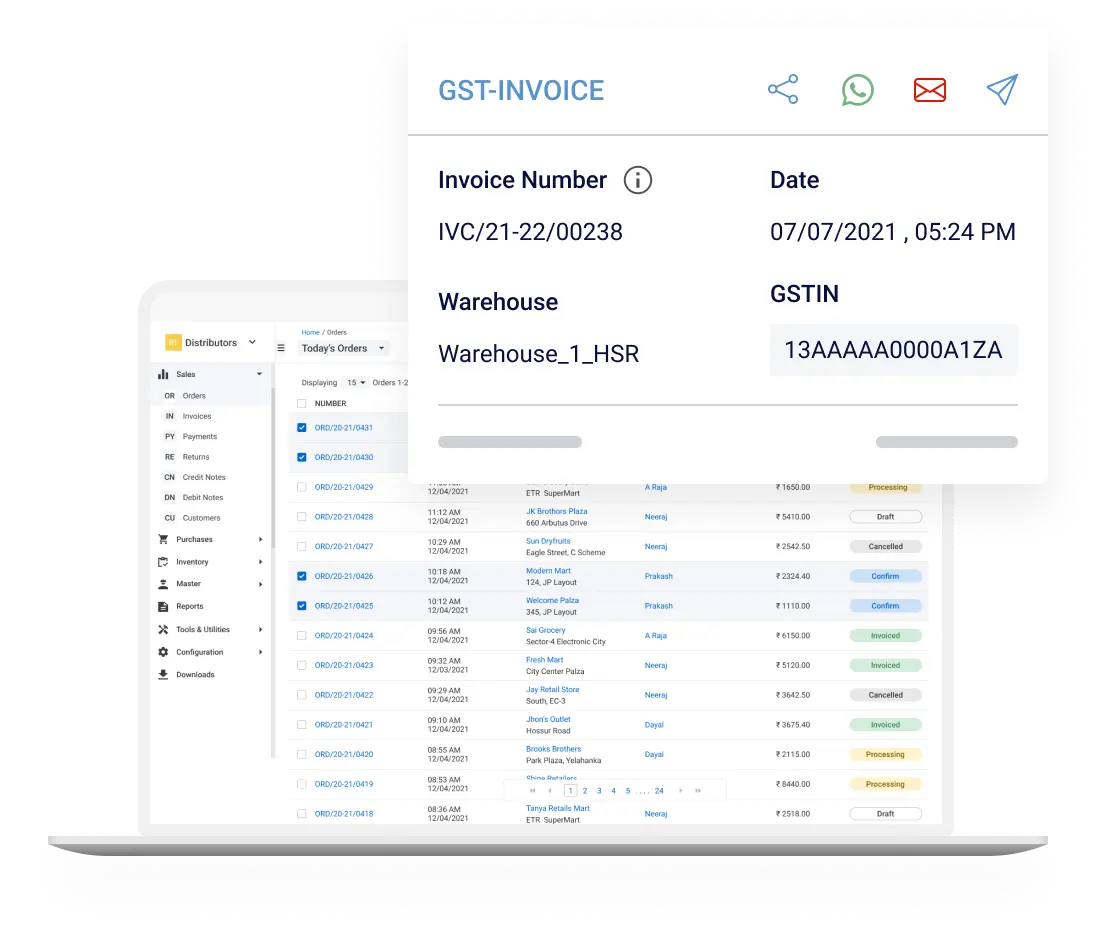
Investing in distribution software is a significant decision for any business, and understanding the cost considerations is essential for making an informed choice. The financial implications of such software extend beyond the initial purchase price, encompassing ongoing expenses and potential returns on investment. Businesses must evaluate both upfront costs and long-term benefits to gauge the true value of the software.A typical distribution software investment involves several cost components.
Upfront costs often include software licenses, which can vary significantly based on the features and capabilities of the software. In addition, implementation costs—such as data migration, employee training, and any necessary hardware upgrades—are crucial to factor in. On the other hand, long-term costs typically encompass subscription fees for cloud-based software or maintenance agreements for on-premise solutions. Subscription fees can provide flexibility but may accumulate over time, while maintenance costs for traditional software can also be substantial, especially if frequent updates or technical support are required.
Long-term Benefits Versus Upfront Costs
When evaluating the financial commitment involved in distribution software, it is vital to consider the long-term benefits alongside the initial expenses. While upfront costs may seem high, the efficiency gains, improved accuracy in inventory management, and enhanced customer satisfaction achieved through the software can lead to considerable savings over time. To illustrate the cost structures of various distribution software options, the following table summarizes common pricing models:
| Software Provider | Upfront Cost (On-premise) | Monthly Subscription Fee (Cloud-based) | Maintenance Cost (Annual) |
|---|---|---|---|
| Provider A | $10,000 | $200 | $1,500 |
| Provider B | $8,000 | $150 | $1,200 |
| Provider C | $15,000 | $300 | $2,000 |
Considering the table above, businesses should assess their operational needs, budget constraints, and desired features when choosing between different pricing models. The right decision can not only enhance distribution capabilities but also yield a significant return on investment through improved operational efficiencies and customer service.
Ultimate Conclusion
In summary, the journey towards finding the best distribution software is not just about the features but also about how effectively it integrates into your existing business processes. As you weigh the pros and cons of various solutions, consider the emerging trends that could influence your decision. Ultimately, the right distribution software will empower your organization to adapt to changes, improve efficiency, and meet customer demands with ease.
Common Queries
What are the key features to look for in distribution software?
Key features include inventory management, order processing, reporting functionalities, and integration capabilities with other business systems.
Is cloud-based distribution software better than on-premise solutions?
Cloud-based solutions offer better scalability and accessibility, while on-premise systems can provide more control but often involve higher upfront costs.
How does automation improve distribution processes?
Automation streamlines tasks like order fulfillment and inventory tracking, reducing manual errors and saving time.
What challenges might businesses face when implementing new software?
Common challenges include employee resistance, training needs, and issues with data migration.
How can customer feedback influence software development?
Customer insights can drive meaningful improvements and feature updates, ensuring the software meets user needs effectively.