Best project management tools for small teams are essential for enhancing productivity and collaboration among team members. Small teams often face unique challenges such as limited resources and diverse responsibilities, making it crucial to have tools tailored to their needs. The right project management software can streamline workflows, improve communication, and empower small teams to deliver projects effectively and efficiently.
By understanding the specific demands of small teams, we can explore the key features to look for in project management tools, the best available options, and strategies for budget-conscious selections. Each tool brings its own set of strengths and weaknesses, but with the right guidance, small teams can navigate these landscapes to find the perfect fit.
Understanding the Unique Needs of Small Teams in Project Management

In the realm of project management, small teams often navigate a landscape filled with unique challenges and dynamics that larger organizations may not experience. These teams typically operate with limited resources, which necessitates a distinct approach to managing projects effectively. Understanding these needs is essential for selecting the right project management tools that can empower small teams to succeed.Small teams face several specific challenges in project management, including limited manpower, budget constraints, and the need for clear communication.
Often, team members wear multiple hats, juggling various roles and responsibilities, which can lead to overlapping duties and potential burnout. Additionally, these teams may lack formal processes or established protocols, making it critical to implement efficient project management strategies that are adaptable to their unique situations.
Challenges in Project Management for Small Teams
The challenges faced by small teams in project management stem from their size and the complexity of their projects. A few of the primary issues include:
- Resource Limitations: Small teams often operate on tighter budgets and fewer personnel, which restricts their ability to undertake larger projects or implement extensive project management methodologies.
- Time Constraints: With limited staff, time management becomes crucial. Projects may suffer delays if team members are overburdened with tasks that extend beyond their primary roles.
- Lack of Formal Structure: Small teams may not have established processes for project management, resulting in chaos during project execution and a lack of clarity regarding roles and responsibilities.
- Communication Barriers: Although small teams can often communicate more easily than larger groups, informal communication can lead to misunderstandings and a lack of accountability if not managed properly.
Influence of Team Dynamics on Project Management
Team dynamics play a pivotal role in shaping project management strategies for small teams. The interpersonal relationships, skills, and communication styles of team members can significantly impact project outcomes. In small teams, collaboration is often more fluid, allowing for rapid decision-making and flexibility. However, this same fluidity can lead to challenges if not properly harnessed. The synergy of individual skills and personalities can enhance creativity and innovation, while conflicts or misalignments can derail progress.
Essential Features of Project Management Tools for Small Teams
To effectively support the unique needs of small teams, project management tools must include several essential features:
- User-Friendly Interface: A simple and intuitive interface allows team members to adopt the tool quickly without extensive training, enabling faster project onboarding.
- Collaboration Features: Real-time collaboration capabilities, such as shared workspaces and communication tools, facilitate seamless interaction among team members.
- Task Management: Tools that offer robust task management features help small teams assign tasks, set deadlines, and track progress efficiently.
- Reporting and Analytics: Built-in reporting features provide insights into project performance and resource utilization, allowing teams to make informed decisions based on data.
- Scalability: As small teams grow, their project management needs will evolve. A scalable tool can adapt to these changes, accommodating larger projects or additional team members without significant disruptions.
Key Features to Look for in Project Management Tools for Small Teams
Selecting the right project management tool for small teams is crucial to enhancing productivity and collaboration. Small teams often face unique challenges, such as limited resources and the need for effective communication. The best project management tools provide functionalities that streamline processes, foster communication, and help teams stay organized without overwhelming them with complexity.When evaluating project management tools, it’s essential to identify features that facilitate teamwork and ensure that everyone’s on the same page.
Key functionalities include task management, communication tools, and file sharing, which are integral in keeping projects running smoothly. User-friendly interfaces also play a significant role in engaging team members and encouraging participation.
Vital Functionalities for Collaboration, Best project management tools for small teams
The following functionalities are critical in enhancing collaboration within small teams:
- Task Management: A robust task management system allows team members to assign, prioritize, and track tasks easily. Features like deadlines and progress tracking are vital in ensuring accountability.
- Communication Tools: Integrated chat or messaging systems facilitate real-time communication, reducing the need for external applications and ensuring all discussions are centralized.
- File Sharing: Tools should allow seamless file sharing with version control, so team members can collaborate on documents without confusion.
- Time Tracking: This feature helps teams monitor how time is spent on various tasks, which can enhance productivity and accountability.
- Reporting and Analytics: Insights and reports generated from project data can help teams identify areas for improvement and celebrate successes.
User-friendly interfaces are crucial for ensuring that all team members, regardless of their tech-savviness, can easily navigate the tool. For example, tools like Trello and Asana offer intuitive drag-and-drop features that make task management straightforward and engaging. These interfaces use visual boards to represent projects, which helps in making tasks and responsibilities clear.
Understand how the union of quickbooks project accounting can improve efficiency and productivity.
Comparison of Key Features
To illustrate the essential features you’ll want in a project management tool for small teams, here’s a comparison table showcasing several popular tools:
| Feature | Trello | Asana | Monday.com | ClickUp |
|---|---|---|---|---|
| Task Management | ✔️ | ✔️ | ✔️ | ✔️ |
| Communication Tools | ✔️ (Comments) | ✔️ (Messaging) | ✔️ (Updates) | ✔️ (Chat) |
| File Sharing | ✔️ | ✔️ | ✔️ | ✔️ |
| Time Tracking | ❌ | ✔️ | ✔️ | ✔️ |
| Reporting and Analytics | ❌ | ✔️ | ✔️ | ✔️ |
Understanding these functionalities and how they compare across different tools can significantly impact the efficiency and collaboration of small teams. Choosing the right project management tool that aligns with your team’s specific needs will pave the way for smoother workflows and enhanced project outcomes.
Top Project Management Tools Recommended for Small Teams: Best Project Management Tools For Small Teams
For small teams, choosing the right project management tool can make a substantial difference in productivity and collaboration. The ideal tool should cater to the unique needs of smaller groups, providing both functionality and ease of use without overwhelming users with unnecessary features. Here, we explore popular project management tools that have garnered positive feedback from small teams, highlighting their strengths and weaknesses.
Overview of Recommended Tools
Each of the tools mentioned below offers distinct features tailored to support small teams. Understanding their strengths and weaknesses can help teams select the right fit for their workflow.
-
Trello
Trello uses a visual board system which is great for organizing tasks and projects.
- Strengths:
- User-friendly interface with drag-and-drop functionality.
- Highly customizable boards, lists, and cards.
- Integrates well with various third-party applications.
- Weaknesses:
- Limited reporting and analytics features.
- May not be ideal for complex project management needs.
- Strengths:
- Asana
Asana is known for its flexibility in project organization and task management.
- Strengths:
- Offers multiple project views (list, board, calendar).
- Effective task assignment and due date tracking.
- Robust collaboration features, including comments and file attachments.
- Weaknesses:
- Can be overwhelming for new users due to its extensive features.
- Limited customization in the free version.
- Strengths:
- Basecamp
Basecamp provides a centralized space for team communication and project management.
- Strengths:
- All-in-one platform for discussions, files, and tasks.
- Simplicity in design promotes easy onboarding for new users.
- Flat pricing model ideal for teams of any size.
- Weaknesses:
- Lacks advanced reporting tools, limiting insights on progress.
- May not suit teams that require extensive project tracking.
- Strengths:
- Monday.com
Monday.com combines project management with intuitive visual dashboards.
- Strengths:
- Highly customizable workflows to fit diverse project needs.
- Visually appealing interface that enhances user experience.
- Strong automation features to streamline repetitive tasks.
- Weaknesses:
- Pricing can be steep for small teams as they scale up.
- May require a learning curve due to its robust options.
- Strengths:
- ClickUp
ClickUp offers a comprehensive solution for project management and productivity.
- Strengths:
- All-in-one tool with features for tasks, docs, goals, and more.
- Highly adaptable to various workflows and methodologies.
- Affordable pricing with a free version that covers essential features.
- Weaknesses:
- User interface can be complicated, especially for new users.
- Performance issues reported with larger projects.
- Strengths:
The Importance of Budgeting When Choosing Project Management Tools
Budget is often a defining factor for small teams when selecting project management tools. With limited resources, teams must find solutions that not only fit within their financial constraints but also meet their functional needs. Understanding the balance between cost and capability helps ensure that teams do not overextend themselves while still achieving project success.Budgeting constraints can significantly influence the choice of project management tools for small teams.
Many small teams operate on tight budgets, which compels them to be selective about the tools they adopt. Often, high-quality tools come with a price tag that may be beyond what a small team can afford. However, the challenge lies in finding a budget-friendly tool that still offers the essential features required to manage projects effectively. When evaluating tools, teams should prioritize their must-have features and assess whether the tool’s pricing aligns with their overall budget.
Strategies for Selecting Cost-Effective Solutions
When seeking cost-effective project management solutions, small teams can adopt several strategies to ensure they don’t compromise on quality. Below are some key approaches to consider:
- Evaluate Free Trials: Many project management tools offer free trial periods. Testing these options allows teams to determine whether a tool meets their needs before committing financially.
- Focus on Essential Features: Identify critical features needed for your specific projects. Avoid paying for unnecessary premium features that do not add value to your team’s workflow.
- Consider Monthly vs. Annual Pricing: Some tools offer discounts for annual subscriptions compared to monthly payments. If a tool suits your needs, opting for an annual plan can result in significant savings.
- Look for Tiered Pricing Models: Select tools that provide tiered pricing based on the number of users or features required. This flexibility enables teams to scale their usage as their budget allows.
- Explore Open Source Options: Open source project management tools can provide robust features without the associated costs of proprietary software. However, keep in mind the potential need for additional support or customization.
Pricing Comparison of Popular Project Management Tools
It’s essential to evaluate the pricing models of various project management tools to make informed decisions. The table below compares different tools, their pricing models, and the features they include:
| Tool Name | Pricing Model | Key Features |
|---|---|---|
| Trello | Free plan available; paid plans starting at $10/user/month | Boards, lists, cards, collaboration features, integrations |
| Asana | Free plan available; premium plans starting at $10.99/user/month | Task management, project timelines, reporting, team collaboration |
| Basecamp | Flat fee of $99/month for unlimited users | Message boards, to-do lists, file sharing, schedules |
| Monday.com | Plans starting at $8/user/month | Custom workflows, visual project tracking, integrations |
| ClickUp | Free plan available; paid plans starting at $5/user/month | Task management, docs, goals, time tracking, integrations |
Integration Capabilities of Project Management Tools for Enhanced Workflow

Integrating project management tools with other software can significantly enhance productivity and streamline workflow for small teams. In today’s digital workspace, where collaboration and efficiency are key, the ability to connect different applications can lead to smoother processes and more effective communication.When small teams adopt project management tools that offer strong integration capabilities, they can create a cohesive ecosystem of applications that work harmoniously together.
This integration allows teams to minimize manual data entry, reduce errors, and keep all project-related information centralized. Additionally, it enables team members to leverage the best features of various tools without being bogged down by switching between multiple platforms.
Key Integrations to Streamline Processes and Improve Productivity
Integrating project management tools with other essential software can provide numerous advantages. Here are some of the critical integration categories that can be particularly beneficial for small teams:
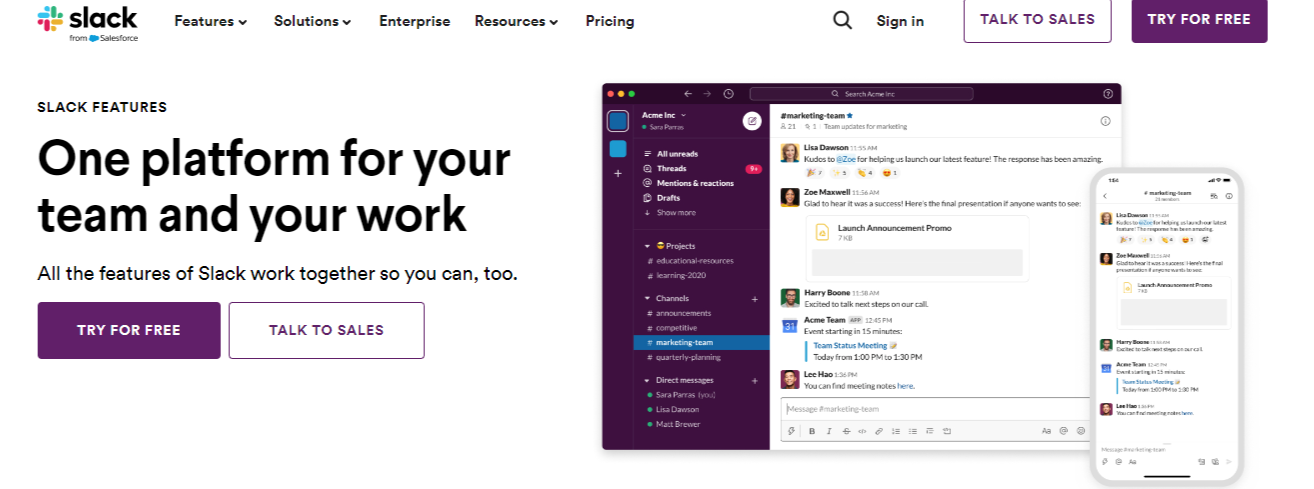
- Communication Tools: Integrating with platforms like Slack or Microsoft Teams allows for real-time collaboration and updates, ensuring everyone stays aligned without the need for lengthy email threads.
- File Sharing Services: Linking to tools like Google Drive or Dropbox enables easy access to documents and files directly from the project management platform, promoting seamless collaboration on shared resources.
- Time Tracking Applications: Integrations with time tracking tools like Toggl or Harvest help teams monitor their time spent on tasks, enhancing accountability and project planning.
- CRM Software: Connecting project management tools with customer relationship management systems like HubSpot or Salesforce provides a unified view of customer projects and interactions, improving client communication and service delivery.
- Accounting Solutions: Integrating with financial software like QuickBooks or FreshBooks simplifies budgeting and invoicing processes, allowing teams to manage project expenses efficiently.
These integrations not only simplify the workflow but also enhance the overall productivity of small teams by reducing friction and ensuring a smoother transition of information across different platforms.
“Integration is the key to unlocking the full potential of project management tools, facilitating a seamless workflow that drives efficiency and collaboration.”
The following popular tools are known for their strong integration capabilities, making them ideal choices for small teams looking to enhance their project management experience:
- Trello
- Asana
- Monday.com
- ClickUp
- Notion
- Jira
User Experience and Support in Project Management Tools
The user experience (UX) and quality of support available for project management tools play a vital role in their effective adoption and daily use, especially for small teams. As these tools are meant to streamline workflows, enhance communication, and facilitate project tracking, ensuring that users can easily navigate them and receive assistance when needed is crucial for maximizing productivity.Customer support and comprehensive user documentation are key features that can significantly impact user satisfaction and tool effectiveness.
Good support can mean the difference between a tool being a helpful asset and a frustrating obstacle. For instance, when teams face challenges with project management software, having quick access to knowledgeable support representatives or well-organized documentation can help resolve issues promptly, allowing teams to focus on their projects rather than troubleshooting software problems.
Impact of Good Support on Tool Adoption
The positive impact of effective customer support can be illustrated through various case studies and personal experiences. Teams that have had access to responsive customer service often report higher satisfaction and quicker adaptation to the tools they’re using. For example, a small marketing team implementing a new project management tool found that the availability of live chat support helped them resolve initial setup issues in real time, leading to a smoother transition and ultimately higher productivity.Another scenario involved a software development team that struggled with a complex project management tool.
After reaching out to customer support, they received comprehensive guidance through documentation and tutorials, which allowed them to utilize advanced features effectively. This experience not only enhanced their workflow but also increased their trust in the product, leading to long-term loyalty.To further illustrate the varying levels of customer service options available, here’s a comparison of support features provided by different project management tools:
| Project Management Tool | Support Options | User Documentation | Community Support |
|---|---|---|---|
| Tool A | 24/7 Live Chat, Email Support | Extensive Knowledge Base, Video Tutorials | Active Community Forums |
| Tool B | Email Support, Scheduled Phone Support | Basic Documentation, FAQs | Limited Community Support |
| Tool C | Live Chat during business hours, Email | Comprehensive User Manuals | Vibrant Community with User Groups |
| Tool D | 24/7 Phone Support, Chat | Detailed Video Guides and FAQs | Active Social Media Groups |
This comparison highlights the importance of evaluating customer service options alongside tool features when selecting a project management tool. Access to reliable support and thorough documentation not only enhances the user experience but also fosters a more productive environment for small teams navigating their project management challenges.
Trends in Project Management Tools That Small Teams Should Follow
As the landscape of project management continues to evolve, small teams are increasingly benefiting from innovative tools designed to enhance collaboration, efficiency, and productivity. Staying updated with the latest trends in project management tools can empower small teams to optimize their workflow and achieve their goals effectively. Here, we explore some of the most significant trends that small teams should keep an eye on.
Integration of Artificial Intelligence
The use of artificial intelligence (AI) in project management tools is on the rise, and it’s transforming how small teams operate. AI-enhanced tools can automate routine tasks, analyze project data for insights, and predict potential project risks. By leveraging AI, small teams can improve their decision-making processes and focus on high-value tasks.
AI in project management can reduce administrative overhead, allowing teams to concentrate on strategic objectives.
The growing presence of AI-driven functionalities includes:
- Automated task assignment based on team members’ workloads and skill sets.
- Predictive analytics for project timelines and resource allocation.
- Enhanced communication tools that can summarize discussions and highlight action points.
Remote Collaboration Features
With remote work becoming more common, project management tools are integrating features that facilitate seamless collaboration among dispersed team members. These tools often include real-time chat, video conferencing, and file-sharing capabilities, all accessible through a user-friendly interface.
Effective remote collaboration is essential for small teams to maintain productivity and engagement.
Key functionalities enhancing remote collaboration include:
- Integrated video conferencing tools for real-time discussions and brainstorming sessions.
- Shared digital workspaces that allow team members to contribute simultaneously.
- Task management systems that keep everyone informed about their responsibilities and deadlines.
Emphasis on User Experience and Customization
In a market saturated with project management tools, user experience (UX) has become a crucial differentiator. Small teams are looking for tools that are not only intuitive but also customizable to fit their specific workflows and needs.
A tailored user experience can significantly boost team efficiency and morale.
Current trends in UX and customization include:
- User-friendly dashboards that provide quick access to essential project metrics.
- Customizable templates that allow teams to adapt workflows to their unique processes.
- Mobile-friendly designs that enable users to manage projects on the go.
Focus on Agile Methodologies
Agile project management continues to gain traction among small teams, encouraging flexibility and iterative progress. Tools that support agile methodologies help teams adapt quickly to changing requirements and maintain a focus on delivering value.
Agile practices enable teams to respond rapidly to changes and continuously improve their processes.
Features supporting agile practices include:
- Kanban boards for visualizing task progress and workflow.
- Scrum functionalities that track sprints and facilitate daily stand-ups.
- Feedback loops that help teams incorporate client input throughout the project lifecycle.
Data-Driven Decision Making
The trend toward data-driven decision-making is reshaping project management for small teams. Tools that provide robust analytics and reporting capabilities enable teams to track performance metrics and make informed choices based on real-time data.
Data analytics provides insights that can significantly enhance project outcomes.
Emerging analytics features include:
- Comprehensive dashboards that visualize key performance indicators (KPIs) related to time, cost, and scope.
- Reporting tools that generate insights into team productivity and project health.
- Scenario modeling to predict the impact of potential changes in project parameters.
Integration of Remote Work and Team Wellness Tools
As the importance of team wellness grows, project management tools are increasingly integrating features that support mental health and work-life balance. These tools can offer resources for stress management, mindfulness, and productivity tips tailored to remote teams.
Prioritizing team wellness is crucial for maintaining high performance and job satisfaction.
Examples of wellness features include:
- Check-in tools that allow team members to express their well-being and workload concerns.
- Resources for time management and stress reduction strategies.
- Gamification elements that promote a positive team culture and collaborative achievements.
Evaluating the Success of Project Management Tools in Small Teams
Assessing the effectiveness of project management tools is crucial for small teams looking to maximize productivity and collaboration. With limited resources and personnel, small teams must ensure that the tools they adopt not only fit their workflow but also enhance it. Evaluating success involves analyzing how well these tools meet specific team needs and contribute to achieving project goals.To effectively measure the success of project management tools, teams can utilize various methods and metrics.
These assessments can provide insights into both the qualitative and quantitative aspects of tool performance. Understanding these metrics helps small teams identify areas for improvement and make informed decisions about tool adjustments or replacements.
Methods to Assess Effectiveness
Several methods can be utilized to evaluate the performance of project management tools. These techniques provide a comprehensive view of the utility and impact of the tools on team operations. A combination of qualitative and quantitative measures can be employed to assess tool efficiency. This holistic approach allows teams to gather insights from various angles, ensuring a balanced evaluation.
- Team Feedback: Gathering direct input from team members regarding their experiences, challenges, and suggestions about the tool can yield valuable insights into usability and functionality.
- Task Completion Rates: Measuring the number of tasks completed on time versus those that are delayed provides a quantitative measure of productivity influenced by the tool.
- Collaboration Metrics: Tracking interactions among team members, such as comments, file sharing, and updates within the tool, helps assess the level of collaboration fostered by the platform.
- Time Tracking: Evaluating how much time is spent on tasks versus the time estimated can highlight efficiency gaps and areas for improvement in project management processes.
- ROI Analysis: Calculating the return on investment by comparing the costs of the tool against the value gained through improved project outcomes and team productivity.
In addition to these quantitative measures, qualitative insights can provide further depth to the evaluation process.
- User Satisfaction: Conducting surveys or informal check-ins to gauge user satisfaction with the tool can reveal important nuances about its day-to-day usability.
- Adaptability: Assessing how well the tool adapts to changing project requirements and team dynamics can indicate its long-term viability.
- Training Requirements: Understanding the amount of training required for team members to effectively use the tool can indicate its user-friendliness and potential barriers to adoption.
“Effective evaluation of project management tools empowers small teams to make data-driven decisions that enhance productivity and teamwork.”
Wrap-Up
In conclusion, selecting the best project management tools for small teams requires careful consideration of their unique needs and challenges. By evaluating the features, pricing, and integration capabilities of various tools, small teams can make informed decisions that enhance their project management processes. Embracing the right tools will not only improve efficiency but also foster a culture of collaboration and success within the team.
General Inquiries
What are the most important features for small teams in project management tools?
Key features include task management, communication tools, file sharing, and user-friendly interfaces that enhance collaboration.
How can small teams choose the right project management tool on a budget?
Small teams should prioritize essential features, consider free or trial versions, and look for pricing models that offer flexibility without compromising quality.
Are there specific tools recommended for remote small teams?
Yes, tools that offer strong collaboration features, like real-time communication and cloud storage, are ideal for remote teams, such as Trello, Asana, and Slack.
How do integrations enhance project management for small teams?
Integrations streamline workflows by allowing teams to connect their project management tools with other software they already use, improving efficiency and reducing manual tasks.
What metrics can small teams use to evaluate the success of their project management tools?
Teams can assess tools based on completion rates, time spent on tasks, user satisfaction, and overall project delivery success to gauge effectiveness.