Small team project management software takes center stage in today’s fast-paced work environment, where collaboration and efficiency are key. For small teams, having the right tools is essential to navigate unique challenges and enhance productivity. This software not only streamlines task management but also fosters better communication and teamwork, ensuring that every member is aligned and engaged.
In an era where every project counts, dedicated project management tools can significantly impact small teams by providing tailored solutions that address their specific needs. From tracking progress to facilitating discussions, these tools empower teams to work smarter, not harder, ultimately leading to successful project outcomes.
Understanding the Importance of Small Team Project Management Software
In today’s fast-paced work environment, small teams often grapple with various challenges that can hinder productivity and collaboration. Dedicated project management software serves as a vital tool that streamlines processes, enhances communication, and helps teams stay organized. Embracing such solutions can lead to significant improvements in how small teams manage their projects and tasks.Without dedicated project management software, small teams face numerous challenges that can obstruct their success.
The lack of centralized communication can result in misunderstandings, missed deadlines, and overlooked tasks. Furthermore, team members may struggle to prioritize their work effectively, leading to duplicated efforts or critical tasks falling through the cracks. These challenges are compounded by limited resources and time constraints, making it even more essential for small teams to adopt structured approaches for project management.
Challenges Faced by Small Teams Without Project Management Software
Without the aid of project management software, small teams can encounter several specific challenges that can directly impact their performance. Here are some critical issues:
- Miscommunication: When team members rely on emails or casual messages for updates, important information can easily get lost, leading to confusion and errors.
- Lack of Transparency: Team members may not have clear insights into project statuses or individual responsibilities, resulting in a lack of accountability.
- Resource Allocation Issues: Without a clear overview of who is working on what, teams may struggle to distribute workloads effectively, leading to burnout or underutilization of talent.
- Difficulty in Tracking Progress: Relying on spreadsheets or informal tracking methods makes it challenging to monitor progress and adjust timelines as needed.
- Inflexible Workflows: Teams may find it hard to adapt to changes or pivot when required, as informal systems lack the flexibility to accommodate evolving project needs.
Enhancing Team Collaboration Through Project Management Software
Project management software can significantly enhance collaboration within small teams by providing structured environments for communication, task assignments, and progress tracking. Here are ways in which such software can boost teamwork:
- Centralized Communication: Tools that consolidate messages, comments, and updates ensure all team members are on the same page, reducing the likelihood of miscommunication.
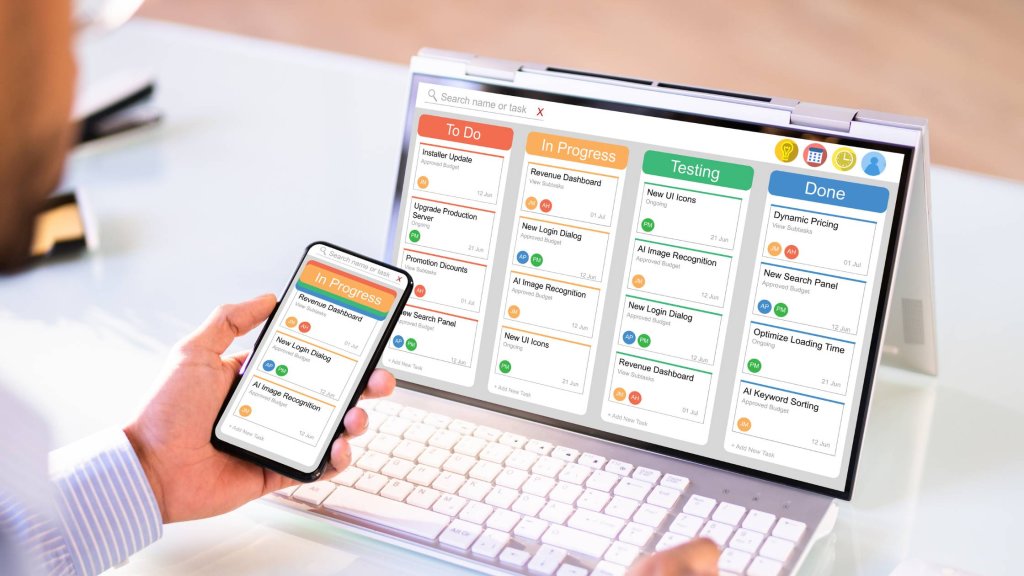
- Visual Task Management: Kanban boards or Gantt charts allow team members to visualize their tasks and deadlines, making it easier to understand project flow and dependencies.
- File Sharing Capabilities: Collaborative platforms enable easy sharing of documents and resources, ensuring that everyone has access to the latest materials.
- Real-Time Updates: Notifications and alerts for task completions or changes keep everyone informed about project statuses without the need for constant check-ins.
- Integration with Other Tools: Many project management software options can integrate with tools that teams already use, such as calendars and communication apps, creating a seamless workflow.
“Project management software acts as a bridge, connecting team members and fostering collaboration, even in the most remote working environments.”
Through these features, small teams can not only overcome the challenges posed by informal project management methods but also harness their full potential by fostering an environment of collaboration and efficiency. By utilizing dedicated software, teams can focus more on their core tasks, leading to enhanced productivity and better overall outcomes.
Key Features to Look for in Small Team Project Management Software
Selecting the right project management software is crucial for small teams aiming to maximize their efficiency and streamline their workflow. With numerous options available, understanding the key features that cater specifically to the needs of smaller groups can make all the difference. This guide will highlight the essential elements that should be considered when choosing the best fit for your team.
User-Friendly Interfaces, Small team project management software
A user-friendly interface is paramount for small team project management software, as it directly affects team productivity. When team members can easily navigate the software without extensive training or technical expertise, they can focus more on their tasks instead of grappling with complex functionalities.
- Simplicity: The design should be intuitive, allowing users to find features without confusion.
- Accessibility: A clean layout that minimizes clutter helps team members focus on the essentials.
- Mobile Accessibility: With a mobile-optimized version, team members can manage tasks on-the-go, ensuring that productivity isn’t tied to a desk.
- Quick Onboarding: Features that facilitate rapid learning curves allow new team members to integrate into workflows seamlessly.
Integration with Other Tools
Integration capabilities are vital for small teams as they often use various tools to manage different aspects of their projects. By ensuring that the project management software can easily connect with other applications, teams can create a more cohesive working environment.
- Flexible Integrations: Look for software that supports integration with common tools like Google Workspace, Slack, and Trello to centralize workflows.
- Automation: Integrating automation tools can reduce repetitive tasks, allowing teams to focus on high-impact work.
- Data Synchronization: Real-time data syncing with other tools ensures that team members always have updated information at their fingertips.
- API Access: For teams with specific needs, access to APIs can allow for custom integrations, tailoring the software to their unique workflow.
Collaboration Features
Collaboration tools are essential in fostering communication and teamwork, especially in small teams where each member’s input is critical to project success.
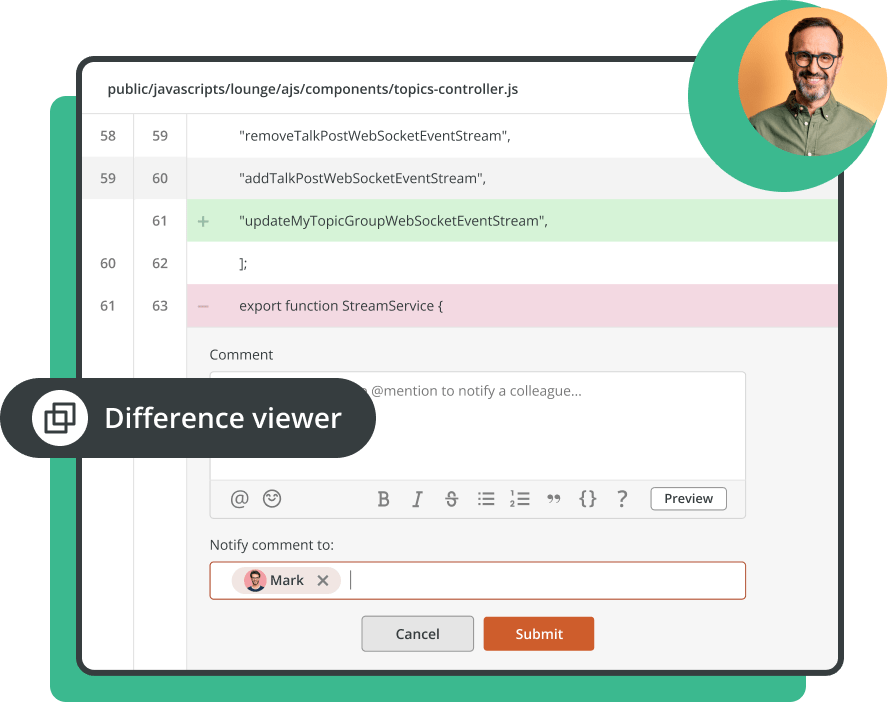
- Comments and Mentions: Features that allow team members to comment on tasks or mention others promote engagement and feedback.
- Document Sharing: A platform that allows easy document sharing and collaboration keeps everyone on the same page.
- Task Assignments: Clear task assignments with deadlines help in distributing responsibilities evenly among team members.
- Progress Tracking: Visual tracking tools, like Gantt charts or Kanban boards, help to illustrate project status and deadlines clearly.
“The best project management software empowers teams, enhances communication, and simplifies workflows, leading to more successful project outcomes.”
Comparing Popular Small Team Project Management Software Options

When it comes to managing projects within small teams, selecting the right software can significantly influence productivity and collaboration. Each tool comes with its unique features, pricing models, and user experiences that cater to diverse team needs. In this section, we will delve into a comparative analysis of three popular project management software options suited for small teams, evaluating their strengths, weaknesses, and overall value.
Software Comparison
To help small teams make informed decisions, here’s a comparative overview of three leading project management tools: Trello, Asana, and ClickUp. Each software offers distinct functionalities and pricing strategies that can affect team choices.
| Software | Key Features | Pricing Model | User Experience |
|---|---|---|---|
| Trello |
|
Free plan available; paid plans start at $10 per user/month. |
|
| Asana |
|
Free for basic features; premium plans begin at $13.49 per user/month. |
|
| ClickUp |
|
Offers a free version; paid plans start at $5 per user/month. |
|
Pricing models play a critical role in selecting project management software for small teams. The options available range from completely free versions with essential features to comprehensive plans that offer advanced functionalities. For instance, Trello’s free plan is a fantastic entry point for small teams, while Asana and ClickUp provide more advanced capabilities at competitive rates. These pricing structures can significantly influence a team’s decision based on their budget and project needs.User experiences also vary widely among tools, highlighting the necessity for teams to consider their specific workflows and preferences.
Responses from Trello users often emphasize its intuitive design, making it ideal for teams just starting. Asana’s users appreciate the detailed task management features, while ClickUp’s expansive toolbox caters to those looking for a more integrated solution. In summary, evaluating popular small team project management software options involves understanding the distinct features, pricing, and user feedback associated with each tool.
By considering these aspects, teams can choose the software that best aligns with their project management requirements, ultimately enhancing efficiency and collaboration.
The Role of Communication Tools in Small Team Project Management
Effective communication is the backbone of any successful project, especially for small teams where resources are limited, and every member plays a pivotal role. Utilizing communication tools within project management software enhances collaboration, aligns goals, and fosters a sense of community among team members. These tools streamline discussions, enabling quick decision-making and reducing the risk of miscommunication that can derail a project.Clear and consistent communication improves project outcomes significantly.
Enhance your insight with the methods and methods of accounting software for manufacturing business.
When team members can share ideas, provide feedback, and discuss challenges in real-time, they can address issues immediately rather than letting them fester. This proactive approach minimizes misunderstandings and ensures that everyone is on the same page regarding project objectives and timelines. In fact, studies have shown that projects with effective communication practices are 25% more likely to be completed on time and within budget.
Key Communication Features in Project Management Software
Communication features are essential in ensuring that small teams can operate efficiently. Here are some crucial functionalities to look for when comparing different software options:
| Software | Real-Time Messaging | File Sharing | Video Conferencing | Task Comments | Integration with Other Tools |
|---|---|---|---|---|---|
| Asana | Yes | Yes | No | Yes | Yes |
| Trello | Yes | Yes | No | Yes | Yes |
| Slack | Yes | Yes | Yes | No | Yes |
| Monday.com | Yes | Yes | Yes | Yes | Yes |
These communication features enhance collaboration by allowing teams to discuss tasks, share information, and maintain a clear record of discussions. The inclusion of real-time messaging and video conferencing ensures immediate interaction, while task comments allow for contextual conversations directly linked to specific assignments. Consequently, integrating these tools into project management software can lead to more cohesive teamwork and successful project execution.
Implementation Strategies for Small Teams Using Project Management Software
Implementing project management software can be a pivotal step for small teams looking to enhance productivity and streamline operations. However, the transition to new software requires careful planning and execution to ensure that it genuinely meets the team’s needs and integrates smoothly into existing workflows.To successfully implement new project management software, small teams should follow a structured approach that includes defining objectives, selecting the right tools, engaging team members, and continuously evaluating progress.
The following strategies can help teams navigate the implementation process effectively.
Steps for Successful Implementation
A well-thought-out plan is essential for the successful integration of project management software. Here are key steps small teams should consider:
- Assess Needs: Before selecting software, teams should identify their specific project management needs. This involves understanding the types of projects they handle and the features that will best support their workflows.
- Choose the Right Software: Research different software options that align with the team’s needs. Consider factors such as usability, integrations, and pricing. Demos or trial periods can provide valuable insights.
- Engage the Team: Involve team members in the decision-making process. Their feedback can provide important insights and increase buy-in, making the transition smoother.
- Develop a Rollout Plan: Create a step-by-step implementation plan. This should include training schedules, timelines, and milestones to measure progress.
- Provide Training: Offer comprehensive training sessions to ensure all team members are comfortable using the new software. This can include workshops, tutorials, and one-on-one support.
- Monitor Progress: After implementation, continuously evaluate how the software is being used. Gather feedback from the team to identify areas for improvement.
Common Pitfalls and Avoidance Strategies
Even with careful planning, small teams can encounter challenges during implementation. Recognizing these common pitfalls can help teams avoid them:
- Lack of Clear Objectives: Failing to define clear goals can lead to confusion and ineffective use of the software. Establish specific objectives to guide the implementation process.
- Insufficient Training: Skipping thorough training can leave team members feeling overwhelmed and frustrated. Ensure that everyone receives adequate training tailored to their needs.
- Ignoring Feedback: Not making adjustments based on team feedback can hinder software adoption. Regularly solicit input and be flexible in making necessary changes.
- Overcomplicating Processes: Trying to use all features at once can overwhelm the team. Start with essential features and gradually introduce more complex functionalities.
Successful Implementation Stories
Learning from the experiences of other small teams can provide valuable insights into effective implementation strategies. Here are a couple of examples:
- Team A: A marketing agency adopted a project management tool that allowed them to track client projects and deadlines efficiently. By involving the entire team in the selection process and providing hands-on training, they improved their project tracking by 40% within the first month.
- Team B: A software development team implemented new project management software to enhance collaboration. They started with a pilot program for a single project, gathering feedback throughout the process. This approach allowed them to fine-tune their usage before rolling it out to all projects, resulting in a 30% increase in on-time project completion rates.
Measuring Success with Small Team Project Management Software
Measuring the success of small team project management software is essential for understanding its impact on productivity, efficiency, and team dynamics. Using specific metrics can provide valuable insights into how well the software is facilitating project completion and collaboration. This section will delve into the various metrics that small teams can utilize to assess their success after adopting project management software.
Key Metrics for Evaluating Success
Identifying the right metrics is crucial for evaluating the effectiveness of project management software. The following metrics are instrumental in providing a clear picture of success and identifying areas for improvement:
- Task Completion Rate: This measures the percentage of tasks completed on time versus those that are overdue. A high completion rate indicates effective time management and team accountability.
- Project Timeline Adherence: Assessing whether projects are meeting their deadlines helps evaluate planning accuracy and resource allocation.
- Team Collaboration Score: This can be gauged through the frequency of team interactions, comments, and feedback within the software, reflecting the level of communication and engagement among team members.
- Resource Utilization: Analyzing how resources (time, budget, personnel) are allocated and used can highlight efficiency and effectiveness in project execution.
- Client Satisfaction Metrics: Gathering feedback from clients or stakeholders regarding the project’s outcome can provide insights into the software’s impact on delivering quality results.
Setting Realistic Goals and Benchmarks
Establishing realistic goals and benchmarks is vital for effective project management. Small teams should focus on specific, measurable, achievable, relevant, and time-bound (SMART) objectives. This approach ensures that goals are not only aspirational but also attainable within the project’s constraints. For instance, instead of aiming to complete all project tasks in half the time, a more appropriate benchmark might entail completing 80% of tasks within the scheduled timeline while maintaining quality standards.
These benchmarks should be regularly reviewed and adjusted based on team performance and unforeseen challenges.
Gathering Feedback from Team Members
To assess the software’s effectiveness, collecting feedback from team members is crucial. This can be achieved through scheduled check-ins or anonymous surveys that encourage honest opinions. By fostering an open dialogue, teams can identify strengths and weaknesses in the software’s functionality, which can inform future adjustments and training needs.
“Regular feedback fosters a culture of continuous improvement and ensures that the project management software evolves to meet the team’s needs.”
Utilizing tools within the software, such as built-in feedback forms or discussion boards, can streamline this process. Teams should focus on specific aspects of the software, including usability, features, and overall satisfaction, to gain a comprehensive understanding of its impact on their workflow.
Future Trends in Small Team Project Management Software
As technology continues to evolve, the landscape of small team project management software is on the brink of significant transformation. Emerging technologies such as artificial intelligence (AI) and automation are not just trends; they are set to revolutionize how teams manage their projects, enhancing efficiency and effectiveness. Additionally, the integration of eco-friendly practices into project management solutions is becoming increasingly essential, aligning business operations with sustainability goals.
This section explores these trends and offers insights into the future needs of small teams and how software developers may respond to them.
Impact of AI and Automation
AI and automation are increasingly becoming integral to project management software, providing features that enhance productivity and streamline workflows. These technologies enable small teams to automate repetitive tasks, allowing members to focus on more critical aspects of their projects. Automated scheduling, task assignments, and progress monitoring can save significant time and reduce human error.
Some specific ways AI and automation are shaping project management software include:
- Predictive Analytics: Leveraging AI to analyze past project data and forecast future trends, helping teams make informed decisions.
- Smart Task Management: Utilizing algorithms to prioritize tasks based on deadlines, team availability, and project complexity.
- Resource Allocation: Automatically suggesting the best allocation of resources based on availability and project demands, improving efficiency.
- Real-time Collaboration: Enhancing communication tools to provide instant feedback and updates, ensuring team members stay aligned.
“Automation will free team members from mundane tasks, allowing creativity and problem-solving to flourish.”
Integration of Eco-friendly Practices
As businesses increasingly focus on sustainability, the integration of eco-friendly practices into project management software is becoming a necessity. Solutions that facilitate remote work not only reduce travel-related carbon footprints but also promote a more sustainable way of managing projects.
Key eco-friendly features that are expected to emerge include:
- Carbon Footprint Tracking: Features that help teams monitor and minimize their environmental impact through energy-efficient project management.
- Digital Documentation: Reducing paper usage by promoting digital project plans, reports, and communication, thus contributing to a lower environmental impact.
- Sustainable Resource Management: Tools that assist teams in sourcing environmentally friendly materials and suppliers.
Adapting to Evolving Needs of Small Teams
As small teams continue to adapt to the changing business landscape, their project management software needs will evolve as well. Developers are likely to respond with solutions that cater to the dynamic nature of small teams, which often require flexibility and scalability.
Anticipated changes include:
- Customization and Flexibility: Enhanced options for tailoring software features to better fit the unique workflows and preferences of small teams.
- Mobile Compatibility: Increased focus on mobile-friendly interfaces to accommodate the growing trend of remote work and on-the-go project management.
- Integration with Other Tools: Seamless integrations with commonly used applications, such as communication tools and CRM systems, to streamline workflows.
Through these advancements, project management software will not only cater to the operational needs of small teams but also align with broader industry trends toward sustainability and efficiency.
Customization and Scalability in Small Team Project Management Software
In the realm of small team project management, customization and scalability play pivotal roles in enhancing productivity and ensuring long-term success. As teams evolve and tackle different project sizes, the ability to tailor software to specific needs becomes essential. This article delves into how customization options enhance user experience and how scalability allows small teams to transition seamlessly to larger projects without the need for new software.Customization options are crucial for small teams as they create a personalized user experience, making software more intuitive and aligned with the team’s unique workflows.
When tools can be adapted to meet specific needs, team members are more likely to engage with the software effectively. This not only boosts morale but also increases overall productivity, as team members can focus on their tasks rather than navigating a rigid system.
Benefits of Customizable Features for Growing Teams
As small teams grow, they often face changing project requirements and team dynamics. Customizable features within project management software can address these changes efficiently. Here are key features that can significantly benefit small teams as they expand:
- Custom Dashboards: Teams can create dashboards that focus on the metrics and KPIs that matter most to them, providing a quick overview of project statuses and team performance.
- Task Labels and Categories: The ability to create custom labels and categories for tasks helps in organizing projects according to specific needs, making it easier to track progress and prioritize work.
- Workflow Automation: Teams can automate repetitive tasks tailored to their processes, freeing up time for more strategic work and reducing the margin for error.
- Integration with Other Tools: Customizable integration options allow teams to connect project management software with tools they already use, streamlining workflows and enhancing collaboration.
- User Permissions and Roles: Customizable user roles help manage access to sensitive project information, ensuring that team members have the necessary permissions based on their responsibilities.
- Custom Reporting: Teams can generate reports that focus on specific aspects of their projects, enabling better decision-making and strategic planning.
- Flexible Project Templates: The ability to create and modify project templates allows teams to jumpstart new projects that align with their evolving methodologies and objectives.
Scalability is another critical aspect, as it allows small teams to manage larger projects without the hassle of switching to new software. The ideal project management tool will grow with the team, accommodating an increasing number of users and projects seamlessly. This level of scalability ensures that teams don’t have to face disruptions during transitions, allowing them to maintain momentum and efficiency.In today’s fast-paced work environment, having a project management software that is both customizable and scalable is more than just a preference; it’s a necessity.
As small teams grow and adapt, the right tools can make all the difference in achieving their project goals while fostering a collaborative and productive atmosphere.
End of Discussion: Small Team Project Management Software
In conclusion, small team project management software is more than just a tool; it’s a vital component that can transform how teams operate and achieve their goals. By embracing the right software, small teams can enhance collaboration, streamline communication, and ensure successful project management. As technology continues to evolve, staying informed on the latest features and trends will help small teams harness the full potential of these solutions.
FAQ Section
What are the benefits of using project management software?
Project management software helps small teams stay organized, improve communication, and streamline workflows, leading to increased efficiency and successful project completion.
How do I choose the right project management software for my team?
Consider factors like user-friendliness, essential features, integration capabilities, and pricing models that suit your team’s specific needs.
Can project management software help remote teams?
Yes, project management software enhances collaboration among remote teams by providing tools for communication, task tracking, and document sharing, ensuring everyone stays connected.
Is project management software scalable?
Many project management software options are designed to grow with your team, offering features that can be customized and scaled as project demands increase.
How can I measure the success of using project management software?
Teams can evaluate success by setting clear goals, tracking project completion metrics, and gathering feedback from team members to assess the software’s effectiveness.