Business project management tools are essential in today’s fast-paced corporate landscape, serving as the backbone for organizational success. With an effective project management tool at their disposal, teams can collaborate seamlessly, track progress in real-time, and minimize roadblocks that often hinder productivity. These tools not only streamline workflow but also promote accountability among team members, enabling a more structured approach to achieving business goals.
From facilitating communication to aiding in resource allocation, business project management tools bring a plethora of benefits that can transform how teams operate. They help in identifying specific challenges within project management, such as scope creep or miscommunication, and provide solutions that are both practical and efficient. It’s clear that incorporating these tools can lead to a significant improvement in team dynamics and overall project outcomes.
The Importance of Using Business Project Management Tools

In today’s fast-paced business environment, the need for effective project management is more critical than ever. As organizations expand and projects become increasingly complex, utilizing business project management tools becomes essential for achieving success. These tools not only streamline the management process but also enhance collaboration, communication, and tracking of project progress, which ultimately leads to better outcomes.Project management tools bring a wealth of benefits to teams, significantly improving their efficiency and productivity.
By leveraging these tools, businesses can streamline workflows, allocate resources more effectively, and track progress in real-time. For instance, platforms like Trello or Asana allow teams to visualize tasks through boards and lists, making it easier to manage workloads and deadlines. This visibility fosters accountability among team members and ensures that everyone is on the same page, which is vital for successful project execution.
Challenges in Project Management Addressed by Tools
Various challenges arise during project management that can hinder progress and lead to missed deadlines. Business project management tools help alleviate these issues by providing structured solutions. For instance, unclear communication can lead to misunderstandings and errors in execution. Project management tools often come equipped with built-in communication features, such as comment sections and chat functions, allowing team members to discuss and clarify tasks directly within the platform.
This minimizes confusion and keeps all relevant information in one place.Another significant challenge is time management. Without effective tracking, projects can easily fall behind schedule. Tools like Monday.com offer Gantt charts and time tracking features that allow teams to monitor progress and adjust timelines accordingly. This proactive approach ensures that deadlines are met and that teams can focus on delivering quality work rather than scrambling to catch up.Additionally, budget overruns are a common issue in project management.
With dedicated project management tools, businesses can set budgets, track expenses, and forecast future costs. This data-driven approach helps in maintaining financial control and ensures that projects remain within budget constraints.In summary, business project management tools are indispensable for overcoming common pitfalls in project management. By addressing communication barriers, enhancing time management, and providing financial oversight, these tools help teams work more efficiently and effectively, paving the way for successful project outcomes.
Features to Look for in Business Project Management Tools
In today’s fast-paced business environment, having the right project management tools can make all the difference. Effectiveness in managing projects requires features that cater to various aspects of workflow, team dynamics, and communication. Understanding the essential functionalities of these tools can help businesses select the right one tailored to their unique needs.An effective project management tool should encompass a variety of features that streamline collaboration, enhance productivity, and ensure project transparency.
The following are must-have features to consider:
Collaboration and Communication Features
Collaboration is at the heart of successful project management. Effective tools should facilitate seamless communication among team members. Key features include:
- Real-time Chat: Instant messaging capabilities allow team members to discuss project nuances without leaving the platform. For instance, tools like Slack integrate chat features for quick conversations.
- Document Sharing: The ability to upload and share files is crucial. Tools like Google Workspace enable multiple users to access and edit documents simultaneously.
- Comment and Feedback Mechanisms: Features that allow team members to add comments directly on tasks or documents foster a culture of collaboration and clarity.
Task Management Capabilities
Efficient task management is essential for keeping projects on track. The following functionalities are critical:
- Task Assignment: Easily assigning tasks to team members helps clarify responsibilities. Asana and Trello exemplify this feature with visual task boards.
- Progress Tracking: Tools should provide visual representations of task progress, such as Gantt charts or Kanban boards. Microsoft Project is well-known for its comprehensive tracking features.
- Due Dates and Reminders: Automated reminders ensure that tasks are completed on time, significantly reducing the risk of delays.
Reporting and Analytics Features
Data-driven decision-making is crucial in project management. Effective project management tools should include:
- Customizable Dashboards: These provide at-a-glance information on project health, resource allocation, and timelines. Tools like Monday.com offer highly customizable dashboards.
- Time Tracking: Monitoring how much time is spent on tasks can help in evaluating team performance and project efficiency. Harvest is a popular tool for time tracking.
- Performance Reports: Automated reports can provide insights into project performance, helping teams identify areas for improvement.
Integration Capabilities
The ability to integrate with other software systems enhances workflow efficiency. Look for:
- Third-party Integrations: Tools that integrate with CRM systems, financial software, or marketing platforms can create a seamless workflow. For example, Zapier connects various applications for automated workflows.
- API Access: Access to APIs allows customization and integration with existing systems, catering to specific business needs.
In summary, selecting project management tools with these key features can significantly impact a business’s productivity and efficiency. Tools like Trello, Asana, and Microsoft Project are leading examples that incorporate these must-have capabilities effectively, catering to different project management styles and business needs. The importance of these features not only lies in their functionality but also in how they facilitate better teamwork, clearer communication, and enhanced project outcomes.
Comparing Popular Business Project Management Tools
In today’s fast-paced business environment, selecting the right project management tool is crucial for efficient collaboration and productivity. This comparison highlights three popular business project management tools: Asana, Trello, and Monday.com. Each tool brings its unique strengths and weaknesses, making it essential to evaluate them based on user experience and functionality.
Asana
Asana is a widely recognized project management tool that excels in task management and team collaboration. Its intuitive interface allows users to create projects, assign tasks, set deadlines, and monitor progress effectively. Strengths of Asana include:
- User-Friendly Interface: Asana’s clean layout is easy to navigate, making it accessible for users of all experience levels.
- Customizable Workflows: Users can tailor workflows to fit their specific project needs, enhancing flexibility.
- Integration Capabilities: Asana seamlessly integrates with various applications, such as Slack and Google Drive, promoting a more cohesive workflow.
Conversely, some weaknesses are:
- Pricing Structure: The premium features can become costly, particularly for smaller teams.
- Overwhelming Features: New users may find the extensive features somewhat daunting at first.
User testimonials highlight Asana’s effectiveness in diverse business environments. One user stated,
“Asana transformed our project tracking. We went from chaos to clarity!”
This showcases its impact on team collaboration.
Trello
Trello stands out for its simplicity and visual appeal, utilizing a card-based system that allows users to drag and drop tasks across columns. It is particularly favored by teams that thrive on a visual representation of project status.Strengths of Trello include:
- Visual Workflow: The card and board system offers an intuitive way to visualize projects, making it easy to manage tasks at a glance.
- Flexible Structure: Trello is adaptable for various project types, from software development to personal task management.
- Free Version Availability: Trello offers a robust free version, making it accessible for small teams or startups.
However, Trello has its limitations:
- Lack of Advanced Features: It may not have the depth of features required for larger, more complex projects.
- Dependency Management: Users have noted that managing dependencies between tasks can be cumbersome.
A user highlighted Trello’s ease of use, remarking,
“Trello made it simple for our remote team to stay aligned on tasks!”
This indicates its effectiveness in remote teamwork scenarios.
Monday.com
Monday.com is a versatile platform that offers comprehensive project management solutions with an emphasis on customization and automation. The visual dashboards allow teams to track progress and workload dynamically.Strengths of Monday.com include:
- Highly Customizable Dashboards: Users can design dashboards that fit their project needs, enabling unique views of progress.
- Automation Features: The platform offers various automation options that can save time on repetitive tasks.
- Collaboration Tools: An array of communication features enhances team collaboration.
On the downside:
- Learning Curve: The extensive features may require time for new users to learn and adapt.
- Cost: The pricing can escalate quickly, making it less feasible for smaller businesses.
A satisfied user noted,
“Monday.com turned our disorganized tasks into a streamlined process, boosting our productivity!”
This reflects its positive impact on operational efficiency.In summary, each project management tool offers distinct advantages and challenges. Asana excels in task management, Trello provides visual simplicity, and Monday.com offers customization and automation. Choosing the right tool depends on the specific needs and structure of your team.
Implementing Business Project Management Tools in Your Organization
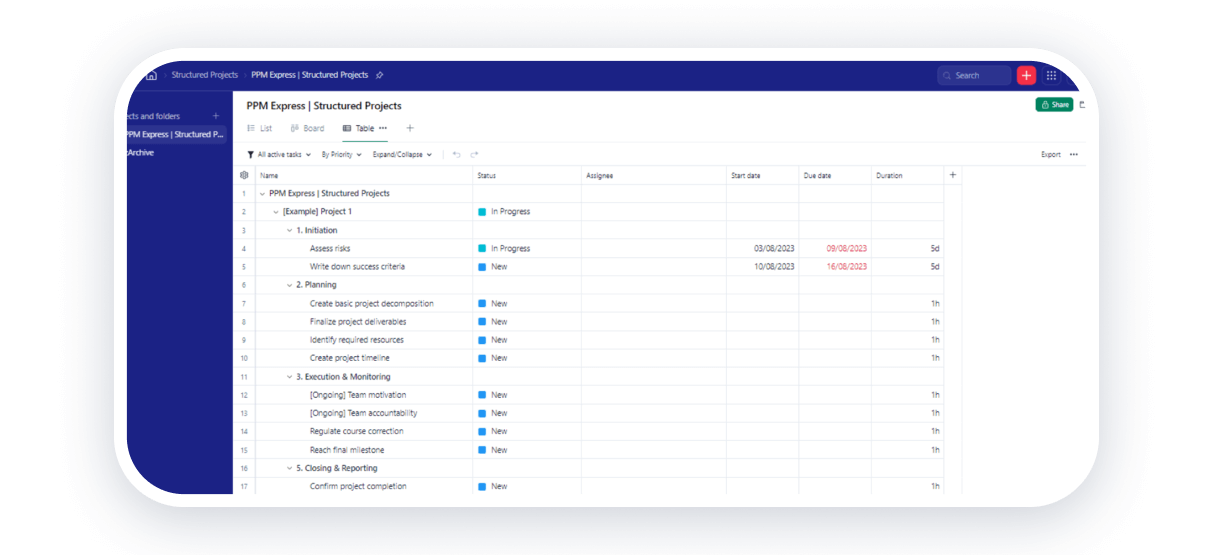
Integrating business project management tools into an organization is a significant step toward enhancing efficiency, collaboration, and overall project success. However, the implementation process requires careful planning and execution to ensure that it aligns with the organization’s goals and the team’s needs. By following the right steps and strategies, organizations can successfully incorporate these tools into their daily operations.The implementation of project management tools involves multiple phases that require coordination among team members and stakeholders.
Here’s a structured approach to achieve a successful integration:
Steps for Successful Integration
The process can be broken down into several key steps to facilitate a smooth transition:
1. Assessment of Needs
Analyze current workflows and identify the specific challenges that the project management tools need to address. Gathering input from team members can provide insights into their preferences and requirements.
2. Selecting the Right Tool
Based on the assessed needs, choose a tool that aligns with the organization’s objectives. Factors to consider include ease of use, scalability, and features that promote collaboration.
3. Creating an Implementation Plan
Check accounting software for manufacturing business to inspect complete evaluations and testimonials from users.
Develop a comprehensive plan outlining the timeline, responsibilities, and key milestones. This should include strategies for data migration and integration with existing systems.
4. Pilot Testing
Before full-scale implementation, conduct a pilot test with a small group of users. This allows for real-time feedback and adjustments based on user experiences.
5. Full Rollout
Implement the tool across the organization while ensuring that communication channels remain open for ongoing feedback and support.
Common Pitfalls and Solutions
There are several common pitfalls organizations face during the implementation of project management tools, along with strategies to overcome them:
Resistance to Change
Employees may be hesitant to adapt to new tools. To mitigate this, involve team members in the decision-making process and highlight the benefits of the new system.
Insufficient Training
A lack of proper training can lead to underutilization of the tools. Providing comprehensive training sessions and ongoing support is crucial for encouraging effective use.
Inadequate Communication
Poor communication can result in confusion and frustration. Keep all stakeholders informed about the implementation process and encourage feedback throughout.
Training Strategies for Team Members
Training is essential for maximizing the effectiveness of new project management tools. Consider the following strategies:
Hands-On Workshops
Organize interactive workshops where team members can explore the tool in a guided environment. This promotes engagement and allows for immediate clarifications on any uncertainties.
Resource Accessibility
Ensure that users have access to training materials, such as video tutorials, user manuals, and FAQs. This enables them to seek assistance when needed.
Mentorship Programs
Pair less experienced users with proficient team members. This fosters a support system that encourages knowledge sharing and peer learning.By following these steps and addressing common challenges proactively, organizations can successfully implement project management tools that enhance productivity and collaboration.
The Future of Business Project Management Tools
The landscape of business project management tools is evolving rapidly, driven by technological advancements and changing market demands. As organizations continue to seek efficiency and adaptability, understanding the future of these tools becomes increasingly important. Emerging trends indicate a shift towards more integrated, collaborative, and intelligent solutions that can transform how businesses manage their projects.One significant trend shaping the future of project management tools is the integration of artificial intelligence (AI) and machine learning.
These technologies are enabling tools to analyze vast amounts of data, providing insights that can help anticipate project risks, optimize resource allocation, and improve overall decision-making. AI-driven tools can automate repetitive tasks, freeing project managers to focus on strategic planning and stakeholder engagement.
Technological Advancements Shaping Project Management, Business project management tools
Technological advancements are pivotal in redefining project management practices. The following key innovations are expected to have a substantial impact:
- Cloud Computing: The shift to cloud-based platforms allows for real-time collaboration among teams spread across various locations. This accessibility ensures that team members can contribute regardless of their physical location, enhancing productivity.
- Collaboration Tools: Enhanced communication features, such as integrated messaging systems and video conferencing, are essential for maintaining team cohesion in a virtual environment. Tools with built-in collaboration capabilities foster a culture of teamwork and creative problem-solving.
- Data Analytics: The ability to analyze performance metrics and project outcomes using advanced analytics tools helps businesses identify trends and areas for improvement. This data-driven approach enables more informed decision-making and future project planning.
- Integration Capabilities: Future project management tools will increasingly offer integration with other business applications (like CRM and ERP systems), creating a seamless workflow that enhances efficiency and reduces the likelihood of errors.
- Mobile Accessibility: With the rise of remote work, mobile-friendly project management tools are crucial. They allow team members to stay updated and manage tasks from their smartphones or tablets, ensuring that project momentum is maintained even when team members are on the go.
Businesses can stay ahead of the curve by adopting innovative tools and methodologies that incorporate these advancements. Emphasizing continuous learning and adaptation will be key. Organizations should invest in training their teams to leverage new technologies effectively, ensuring that they can maximize the benefits of advanced project management tools. By embracing these emerging trends, companies can enhance their project management capabilities, ultimately driving better business outcomes and maintaining a competitive edge in their industries.
Conclusive Thoughts

In conclusion, the right business project management tools can reshape the way organizations handle projects, making operations smoother and more efficient. By embracing these tools, businesses position themselves not just for current success but also for future growth and adaptability in an ever-evolving market. The journey into project management can be daunting, but with the right tools, it becomes a pathway to innovation and achievement.
FAQs: Business Project Management Tools
What are business project management tools?
They are software applications designed to assist teams in planning, executing, and monitoring project progress efficiently.
How do these tools improve team collaboration?
By providing a centralized platform for communication, task assignments, and document sharing, enhancing visibility and accountability.
Can small businesses benefit from project management tools?
Absolutely, they can help small businesses manage resources better, streamline processes, and improve overall productivity.
What are common features of project management tools?
Features often include task management, time tracking, reporting, collaboration tools, and resource allocation functionalities.
How can I choose the right tool for my business?
Evaluate tools based on features, user experience, scalability, and how well they meet your specific business needs.