Wholesale distribution software small business is a game-changer for small enterprises looking to streamline their operations and enhance customer satisfaction. By leveraging tailored software solutions, these businesses can optimize their supply chain management, ensuring that every order is processed with accuracy and efficiency. This not only aids in maintaining balanced stock levels but also fosters a relationship of trust and reliability with customers, leading to repeat business and increased sales.
With the right tools, small businesses can transform their distribution processes, adapting to market demands and technological advancements. Implementing such software is more than just a trend; it’s a strategic move that positions small businesses for growth in a competitive landscape.
The Importance of Wholesale Distribution Software for Small Businesses
In today’s fast-paced market, small businesses rely heavily on efficient and streamlined operations. Wholesale distribution software plays a crucial role in achieving these efficiencies, particularly for companies managing multiple suppliers and numerous products. With the right software, small businesses can navigate the complexities of supply chain management more effectively, ensuring they meet customer demands while controlling costs.Wholesale distribution software optimizes supply chain management by integrating various functions, including inventory tracking, order processing, and supplier management.
By centralizing these processes, small businesses can significantly reduce errors and improve operational speed. For instance, real-time inventory tracking allows businesses to monitor stock levels and reorder products proactively, minimizing the risk of stockouts or overstock situations. Additionally, this software provides analytics tools that help small businesses identify purchasing trends, allowing them to make data-driven decisions. The automation of routine tasks—such as invoicing and reporting—further enhances productivity, freeing up valuable time for employees to focus on more strategic initiatives.
Overall, wholesale distribution software not only streamlines operations but also positions small businesses to compete more effectively in the market.
Enhancing Order Accuracy and Customer Satisfaction
Accurate order fulfillment is vital for maintaining customer satisfaction and loyalty. Wholesale distribution software enhances order accuracy through various features such as barcode scanning, automated order processing, and real-time updates. These features reduce manual input errors, ensuring that the correct products are shipped to the right customers on time. Moreover, timely updates keep customers informed about their order status, enhancing their overall experience.
When customers receive accurate orders promptly, they are more likely to return for repeat business and recommend the company to others. As a result, the integration of wholesale distribution software not only improves operational efficiency but also builds a positive reputation for the business, leading to increased sales and customer loyalty.
Successful Implementation Examples
Numerous small businesses have leveraged wholesale distribution software to streamline their operations effectively. For example, a small family-owned wine distributor adopted a comprehensive distribution software solution that automated their order processing and inventory management. Initially struggling with manual tracking, they faced frequent stock discrepancies and order delays. After implementation, they reported a 30% decrease in order processing time and a significant reduction in stock errors.
This transformation allowed them to focus on customer engagement and expand their product lines without the fear of operational bottlenecks.Another noteworthy case involves a small electronics retailer that integrated a wholesale distribution system to manage both their online and physical store inventories. Before implementation, the business struggled with overstock issues and customer complaints due to unavailability of products. Post-implementation, their inventory turnover improved by 40%, and customer satisfaction ratings soared as they maintained optimal stock levels and ensured that products were available both in-store and online.Furthermore, a local organic food distributor utilized wholesale distribution software to connect directly with local farmers and suppliers.
This integration enabled them to reduce lead times and improve the freshness of their products. They reported a 50% increase in sales within six months, driven by their enhanced ability to fulfill orders accurately and quickly. These examples highlight the tangible benefits that wholesale distribution software can provide, enabling small businesses to operate more efficiently and effectively in their respective markets.
Obtain recommendations related to best accounting software for inventory that can assist you today.
Features to Look for in Wholesale Distribution Software
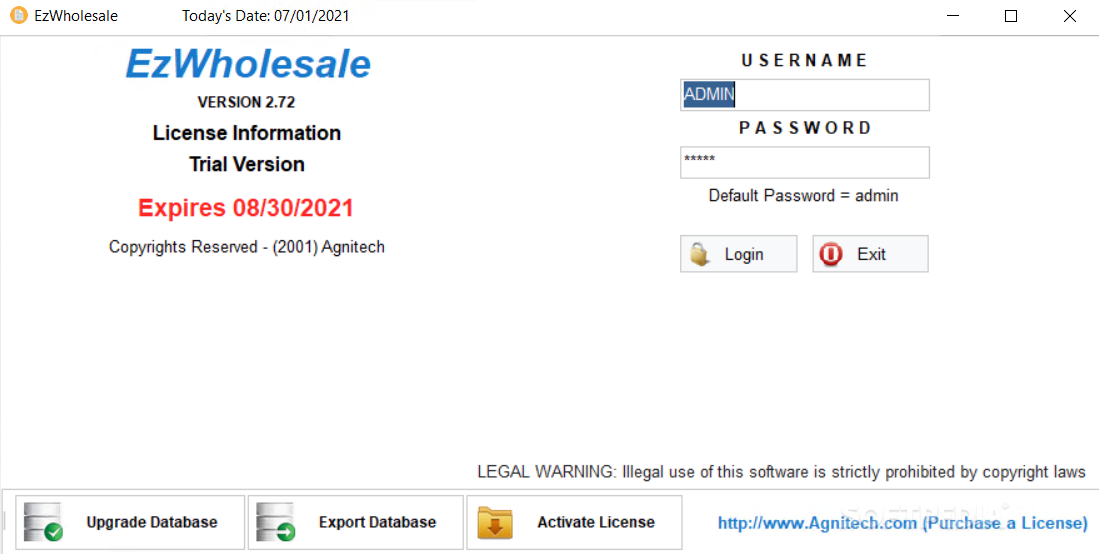
When selecting wholesale distribution software, small businesses should prioritize features that streamline operations, enhance efficiency, and support growth. The right software can significantly reduce manual processes, minimize errors, and improve decision-making capabilities. Here are some essential features that small businesses should consider:
Core Functionalities
To effectively manage wholesale distribution operations, it’s important to have software that integrates various functionalities. Look for:
- Inventory Management: This feature helps track stock levels, manage reordering, and prevent stockouts or overstocks.
- Order Management: An effective system will allow seamless processing of orders from multiple channels, ensuring accuracy and timely fulfillment.
- Customer Relationship Management (CRM): A built-in CRM can assist in managing customer interactions, sales tracking, and customer service.
- Reporting and Analytics: Robust analytics tools provide insights into sales trends, inventory turnover, and customer preferences, aiding in strategic decisions.
- Integration with Other Tools: The software should easily integrate with accounting, e-commerce, and shipping platforms to create a unified system.
Inventory Management Capabilities
Effective inventory management is a cornerstone of successful wholesale distribution. The right software helps businesses maintain balanced stock levels, which is crucial for meeting customer demand without incurring excess costs. A well-implemented inventory management system utilizes real-time data to keep track of inventory levels across multiple locations, ensuring that stock is replenished in a timely manner.This capability not only prevents stockouts, which can lead to lost sales and dissatisfied customers, but also minimizes overstock situations that tie up capital in unsold goods.
For example, using historical sales data, the software can forecast demand trends, allowing businesses to adjust their purchasing decisions proactively. Moreover, efficient inventory tracking can lead to more accurate order fulfillment, reducing errors that could result in returns and customer complaints.In essence, a comprehensive inventory management feature empowers small businesses to optimize their supply chain operations, ultimately enhancing their competitiveness in the market.
Pricing Models for Wholesale Distribution Software
When considering wholesale distribution software, understanding the pricing models available is crucial for small businesses to make an informed decision. Different software platforms offer various pricing structures, each with its own advantages and considerations.
1. One-Time License Fee
This traditional model involves a single payment for the software license. It is suitable for businesses that prefer ownership and may not want ongoing expenses. However, this model can come with high upfront costs and potential additional fees for updates and support.
2. Subscription-Based Pricing
Many modern software options operate on a subscription basis, charging users monthly or annually. This model typically includes software updates, support, and additional features as they are released. It’s a great choice for small businesses looking for flexibility and lower initial investments.
3. Tiered Pricing
In this model, software providers offer different pricing tiers based on the features included. Small businesses can select a tier that fits their current needs and budget while allowing room for upgrades as they grow.
4. Pay-As-You-Go
Some platforms offer a usage-based pricing model, where businesses are charged based on the volume of transactions or features used. This can be advantageous for businesses with variable demands but may lead to higher costs if usage increases unexpectedly.
5. Freemium Model
This model provides limited functionality for free, with the option to upgrade to a paid version for additional features. It’s a good way for small businesses to test the software before committing financially.Ultimately, the ideal pricing model depends on the specific needs and growth plans of the business. By carefully evaluating these options, small businesses can choose a wholesale distribution software that aligns with their operational goals and budget.
Challenges Small Businesses Face Without Distribution Software
Small businesses often operate under tight margins and limited resources, which makes efficient distribution a critical aspect of success. Without dedicated distribution software, these businesses face several significant challenges that can hinder their overall operations and growth. The absence of a streamlined approach to distribution can lead to inefficiencies that not only affect day-to-day operations but also damage customer satisfaction and business reputation.
One of the most common obstacles is the lack of visibility into inventory levels. Small businesses may rely on spreadsheets or manual tracking methods, which can result in a disorganized inventory system. This disorganization complicates order fulfillment, leading to issues such as stockouts or overstock situations. Moreover, without a centralized system to track and manage orders, employees may struggle to coordinate shipments effectively, which can lead to delays and missed deadlines.
Additionally, managing multiple sales channels can become a daunting task without proper software. Small businesses often sell through various platforms, such as online marketplaces and physical stores. Without the ability to integrate these channels, tracking sales data and inventory levels becomes fragmented. This fragmentation not only wastes valuable time but also increases the likelihood of errors in order processing. Another significant challenge is the reliance on manual entry, which opens the door to human error.
Small businesses often lack the extensive resources that larger companies have to invest in dedicated staff for order management. As a result, tasks such as data entry become susceptible to mistakes. These inaccuracies can lead to incorrect shipments, customer dissatisfaction, and ultimately lost sales.
Impact of Human Error in Order Processing and Inventory Management
Human error in order processing and inventory management can have profound consequences for small businesses. When employees enter sales orders or inventory data manually, the likelihood of mistakes increases significantly. A simple typo in a product code can lead to sending the wrong item to a customer, resulting in returns and additional shipping costs. Furthermore, inaccurate inventory counts due to human error can create significant problems.
For instance, a business may believe it has sufficient stock on hand based on flawed data, leading to overselling of products. When customers expect timely delivery, they may be met with disappointment, damaging the company’s reputation and leading to negative reviews. This cycle of errors creates an ongoing challenge, as each mistake compounds the likelihood of future errors.The impact of these errors extends beyond just immediate financial loss.
They can erode customer trust, making it challenging for businesses to build a loyal customer base. Over time, if customers consistently experience issues, they may choose to take their business elsewhere, further hampering growth.
Challenges to Growth and Scalability
The challenges posed by the absence of distribution software create significant barriers to growth and scalability for small businesses. As small businesses strive to expand their customer base, inefficient distribution processes can hinder their ability to meet increased demand. Without the ability to effectively manage inventory and streamline order processing, businesses risk falling behind competitors that utilize advanced software solutions.
This inefficiency can lead to lost sales opportunities, as potential customers may turn to competitors that offer faster and more reliable service. Moreover, scaling operations without proper software means that businesses may need to hire more staff, which can inflate operational costs without necessarily improving performance. The complexities of managing a growing business become increasingly overwhelming, making it difficult to adapt to market changes.
Ultimately, the inability to effectively manage distribution can stifle innovation and limit a small business’s potential for expansion.
Cost-Benefit Analysis of Implementing Wholesale Distribution Software
Investing in wholesale distribution software can be a game-changer for small businesses. As the demand for efficient inventory management and streamlined operations grows, a thorough cost-benefit analysis becomes essential in determining the value of such software. This analysis aids in assessing upfront costs against potential long-term savings and increased revenue, ensuring informed decision-making.Understanding the various costs associated with implementing wholesale distribution software is crucial.
These can include initial software purchase costs, installation fees, training expenses, and ongoing maintenance subscriptions. While these upfront costs may seem significant, the long-term benefits can far outweigh them. For instance, faster order processing and improved inventory accuracy can significantly reduce operational costs. Additionally, the automation of routine tasks allows employees to focus on higher-value activities, leading to increased productivity.
Potential Cost Savings and Increased Revenue Opportunities
The effective use of wholesale distribution software opens doors to numerous cost savings and revenue opportunities. These benefits can be classified into several categories.The primary cost savings arise from enhanced operational efficiency. By automating inventory management, businesses can minimize human errors, leading to less waste and reduced costs associated with overstocking or stockouts. The software can track inventory levels in real time, allowing businesses to reorder supplies just in time, thereby reducing holding costs.
“Efficiency leads to savings, and savings can be reinvested into the business for growth.”
In addition to cost reductions, wholesale distribution software can unlock new revenue streams. By providing better insights into customer preferences and purchasing patterns, businesses can tailor their offerings to meet demand more effectively. This targeted approach can lead to increased sales and customer loyalty.Moreover, integrating wholesale distribution software with e-commerce platforms can expand a business’s reach. With seamless online order processing and inventory management, businesses can capture a broader audience, ultimately driving revenue growth.
For example, a small business that previously relied solely on local sales might increase its market by offering products online, leading to significant sales increases.Here’s a comparison table illustrating initial investment costs versus long-term savings for various software options:
| Software Option | Initial Investment Cost | Estimated Annual Savings | Payback Period (Months) |
|---|---|---|---|
| Cloud-Based Solution | $1,200 | $4,500 | 3 |
| On-Premise Software | $3,500 | $6,000 | 7 |
| Custom-Built Software | $5,000 | $10,000 | 6 |
This analysis demonstrates how even a modest investment in wholesale distribution software can pay off quickly through enhanced efficiency and improved revenue. By focusing on the long-term picture, small businesses can make informed decisions that lead to sustainable growth and profitability.
Best Practices for Implementing Wholesale Distribution Software: Wholesale Distribution Software Small Business

Implementing wholesale distribution software can significantly enhance the operational efficiency of small businesses. To ensure a smooth transition, it’s crucial to follow a set of best practices that help maximize the benefits of the software while minimizing disruptions during the implementation process. A successful implementation plan involves several strategic steps that can guide small businesses in effectively integrating wholesale distribution software.
First, it is essential to conduct a thorough needs analysis to understand specific requirements and objectives. This will help in selecting the right software that aligns with business goals. Following this, assembling an implementation team comprising key stakeholders from various departments can facilitate better communication and collaboration throughout the process.
Effective Strategies for Implementation
Transitioning to new software demands careful planning and execution. The following strategies can help streamline the implementation process:
- Set Clear Objectives: Define specific goals for what the software should achieve, such as reducing order processing times or improving inventory accuracy.
- Phased Rollout: Consider implementing the software in stages to allow for troubleshooting and adjustments without overwhelming staff.
- Involve Employees Early: Engage team members in the selection and implementation process to ensure buy-in and ease the transition.
- Testing Before Full Launch: Conduct thorough testing to identify issues and make necessary adjustments before going live.
Key Training Resources and Support Systems
Training is critical to ensure employees are comfortable using the new software. A well-structured training program should include workshops, hands-on sessions, and access to comprehensive user manuals. Businesses can provide training sessions facilitated by the software vendors or hire external trainers experienced in wholesale distribution software. Additionally, online resources such as video tutorials, webinars, and community forums can serve as valuable support systems.
Establishing a dedicated internal support team to address employee questions and concerns during the transition can also enhance user confidence and reduce resistance to change.
Importance of Continuous Evaluation and Adjustment
To achieve peak performance from wholesale distribution software, continuous evaluation and adjustment are essential. Regularly assessing the system’s effectiveness allows businesses to identify areas for improvement and ensure that the software continues to meet evolving needs. Establishing KPIs (Key Performance Indicators) can provide measurable insights into the software’s impact on operations. Regular feedback sessions with employees can reveal pain points and highlight features that may require additional training or enhancement.
As business processes change, adapting the software to fit new workflows is crucial for maintaining efficiency. By fostering a culture of continuous learning and adaptation, small businesses can ensure their wholesale distribution software remains a valuable asset. This proactive approach not only maximizes software capabilities but also keeps the team engaged and motivated to leverage technology for better performance and growth.
Future Trends in Wholesale Distribution Software for Small Businesses
As the wholesale distribution landscape continues to evolve, small businesses are increasingly turning to advanced software solutions to maintain competitiveness and optimize operations. The integration of technology in distribution processes not only enhances efficiency but also addresses the dynamic demands of the market. This section explores emerging trends that are shaping the future of wholesale distribution software, focusing on artificial intelligence, mobile technology, and market-driven innovations.
Integration of Artificial Intelligence and Machine Learning
Artificial intelligence (AI) and machine learning (ML) are becoming pivotal in wholesale distribution software, enabling small businesses to enhance their operational capabilities. These technologies can harness large datasets to identify patterns, predict trends, and streamline decision-making processes. For instance, AI algorithms can analyze sales forecasts and inventory levels, enabling businesses to optimize stock replenishment and minimize excess inventory.AI-powered chatbots are also transforming customer service.
They provide immediate responses to inquiries, enhancing customer satisfaction while reducing the workload on human staff. Machine learning further enhances these capabilities by learning from past customer interactions, improving future engagements, and tailoring recommendations based on buying habits.Moreover, predictive analytics, driven by AI, allows businesses to anticipate market trends and consumer behavior shifts. This foresight enables small distributors to adapt their strategies proactively, ensuring they remain aligned with market demands.
In addition, AI can optimize supply chain management by predicting potential disruptions and suggesting alternative solutions, thereby maintaining operational continuity.The ongoing integration of AI and ML in wholesale distribution software not only drives efficiency but also positions small businesses to leverage data as a strategic asset. By investing in these advanced technologies, small businesses can enhance their agility and responsiveness in an ever-changing market environment.
Impact of Mobile Technology on Wholesale Distribution Processes, Wholesale distribution software small business
Mobile technology is revolutionizing how small businesses in wholesale distribution operate. With the rise of smartphones and tablets, distribution processes have become more accessible and efficient. Mobile applications allow sales representatives to access inventory data, process orders, and manage customer relationships directly from their devices, regardless of location.One of the most significant advantages of mobile technology is the ability to facilitate real-time communication between team members.
This instant connectivity ensures that sales personnel have the latest information on product availability and pricing, which enhances customer service and increases sales opportunities. Additionally, mobile technology enables businesses to implement mobile point-of-sale systems, allowing for quick and easy transactions on the go.Furthermore, mobile-based inventory management systems provide accurate tracking of stock levels, minimizing the risk of overstocking or stockouts.
This capability is crucial for small businesses that need to maintain tight control over their inventory to maximize profitability.Ultimately, the integration of mobile technology into wholesale distribution processes not only improves operational efficiency but also enhances customer engagement, positioning small businesses for success in a competitive marketplace.
Market Demands Shaping Distribution Software Solutions
The future of wholesale distribution software is increasingly influenced by market demands that emphasize agility, scalability, and customization. As consumer preferences evolve, small businesses must adapt their distribution strategies accordingly. This shift is driving the development of software solutions that cater to specific industry needs and enable greater flexibility in operations.One prominent trend is the emphasis on cloud-based solutions. With the growing demand for remote access and collaboration, cloud technology allows small distributors to scale their operations without investing heavily in infrastructure.
This accessibility ensures that businesses can respond swiftly to market changes, whether it be a sudden increase in order volume or a shift in customer preferences.Moreover, customer-centric features are becoming a necessity. Software that offers personalized experiences, such as tailored product recommendations and streamlined ordering processes, aligns with consumer expectations for convenience and efficiency. These solutions not only enhance user experience but also foster customer loyalty.In addition, the increasing importance of sustainability in business practices is influencing software development.
Small businesses are seeking solutions that help them track and reduce their environmental impact, such as tools for optimizing shipping routes to decrease carbon emissions.Ultimately, the future of wholesale distribution software will be characterized by solutions that are not only technologically advanced but also responsive to the ever-changing landscape of market demands. Small businesses that embrace these trends will be better equipped to thrive in an increasingly competitive environment.
Closing Summary
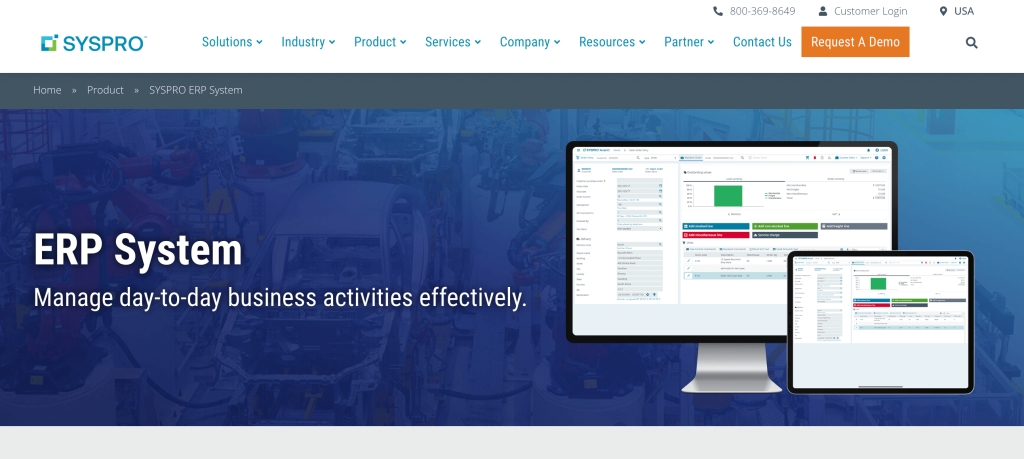
In summary, the implementation of wholesale distribution software is crucial for small businesses aiming to thrive in today’s market. By addressing challenges such as order accuracy and inventory management, this software not only boosts operational efficiency but also drives customer satisfaction. As the landscape of wholesale distribution continues to evolve with emerging technologies, staying ahead with effective software solutions will be key to long-term success.
Detailed FAQs
What is wholesale distribution software?
Wholesale distribution software helps businesses manage inventory, orders, and supply chain processes efficiently.
How can small businesses benefit from this software?
It enhances order accuracy, improves customer satisfaction, and streamlines operations, leading to cost savings.
What features should I look for in wholesale distribution software?
Key features include inventory management, order tracking, reporting capabilities, and user-friendly interfaces.
Is wholesale distribution software expensive?
Costs vary widely, but many options are available that can fit different budgets, offering a range of features.
Can wholesale distribution software grow with my business?
Yes, many software solutions are scalable, allowing businesses to add features as they grow and expand.