Quickbooks project accounting is an essential tool for businesses looking to streamline their financial management and enhance project tracking. With its robust features, QuickBooks offers a seamless integration that transforms how organizations approach project budgeting, forecasting, and expense management. Understanding the nuances of project accounting within this platform can empower businesses to achieve better financial clarity and control.
This article delves into the significance of project accounting in QuickBooks, highlighting its key features and benefits while providing practical insights on setting up projects, tracking income and expenses, and generating meaningful reports. By immersing yourself in this guide, you’ll discover how to leverage QuickBooks project accounting to improve overall project performance.
The significance of project accounting in QuickBooks
Project accounting is an essential component of financial management for businesses, particularly those that operate on a project basis. QuickBooks, as a leading accounting software, offers integrated project accounting features that allow businesses to track their project expenses, revenues, and overall profitability effectively. This integration brings a higher level of accuracy and transparency to financial reporting, ensuring that project managers can make informed decisions based on real-time data.
The integration of project accounting in QuickBooks is seamless, allowing users to manage their finances without requiring extensive accounting knowledge. QuickBooks enables businesses to create projects easily and assign expenses and income to specific projects. This means every financial transaction related to a project can be tracked individually, creating a detailed financial overview. Users can categorize expenses, allocate labor costs, and monitor overheads, which is crucial for understanding the financial health of each project.
Furthermore, reports generated within QuickBooks provide insights into project performance, making it easier to determine where adjustments are needed to stay within budget.
Benefits of using project accounting features in QuickBooks
Utilizing project accounting features in QuickBooks offers numerous advantages for businesses, enhancing operational efficiency and financial management. The following points Artikel the key benefits:
- Improved Clarity: Each project can be tracked individually, providing clear visibility into its financial status. This helps stakeholders understand how resources are allocated.
- Enhanced Profitability Analysis: By tracking income and expenses on a project-by-project basis, businesses can quickly identify profitable ventures and those that may require restructuring.
- Streamlined Billing: QuickBooks allows users to automate invoicing for projects, ensuring timely billing and reducing the risk of missed payments.
- Accurate Budgeting: Businesses can establish budgets for each project and monitor actual performance against these budgets, enabling proactive financial management.
Project accounting significantly enhances budgeting and forecasting in QuickBooks. With real-time data at their fingertips, businesses can create more accurate forecasts based on historical project performance. For instance, if a construction firm consistently overshoots its labor budget on similar projects, it can adjust future estimates to reflect this trend. QuickBooks allows for customized reporting, which can illustrate trends over time, empowering businesses to forecast future revenues and expenses more effectively.
Accurate project accounting leads to better financial decisions and improved resource allocation.
Understanding the key features of QuickBooks project accounting
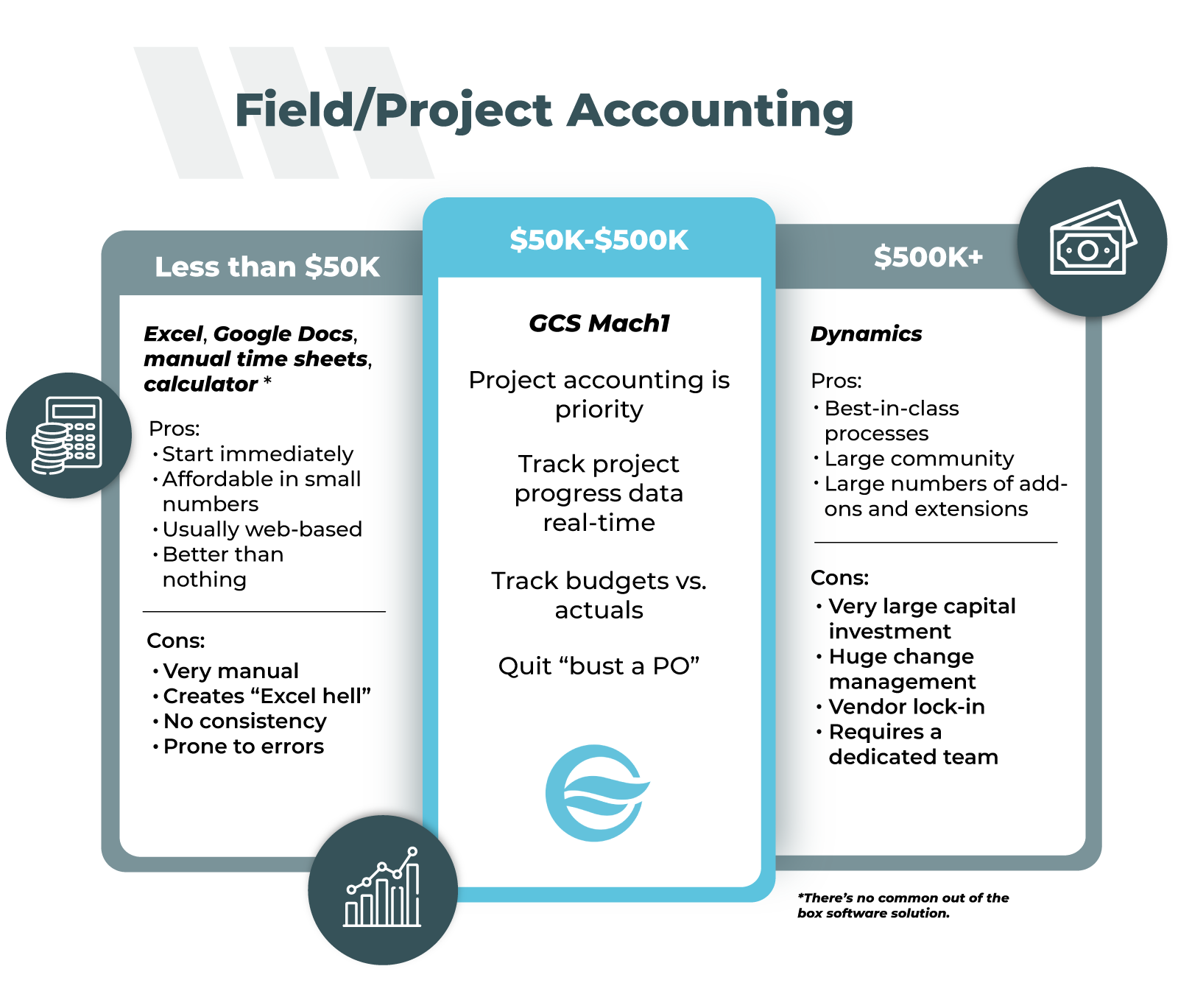
QuickBooks project accounting is designed to streamline the process of monitoring and managing project finances effectively. With its robust features, it enables users to gain deeper insights into project costs, timelines, and profitability. Understanding these key features can significantly enhance project tracking and management, making it an invaluable tool for businesses of all sizes.Project accounting in QuickBooks offers several essential features that simplify the complexities of project management.
Each of these features serves a specific purpose, providing users with the tools needed to keep projects on track and within budget. Here are four key features that stand out:
Key Features of QuickBooks Project Accounting
To understand the full potential of QuickBooks in project management, let’s explore its key features and how they support effective project tracking:
- Project Tracking: QuickBooks allows users to create projects and track expenses, income, and time spent on each project separately. This feature ensures that every financial aspect of a project is monitored, making it easier to assess its overall financial health.
- Budgeting and Forecasting: Users can set budgets for different projects and compare actual performance against estimated costs. This capability helps identify variances early, enabling proactive adjustments to keep projects within financial bounds.
- Time Tracking: The integrated time-tracking feature allows employees to log hours directly to specific projects. Accurate time tracking is crucial for understanding labor costs and ensuring that billing is done correctly, especially in service-based industries.
- Reporting and Analytics: QuickBooks provides a variety of reports that offer insights into project profitability, expenses, and performance metrics. These reporting tools help managers make informed decisions based on real-time data and historical trends.
The following table summarizes these features, highlighting their applications in project management:
| Feature | Description | Application in Project Management |
|---|---|---|
| Project Tracking | Tracks income, expenses, and time for individual projects. | Helps assess the financial performance of projects in real-time. |
| Budgeting and Forecasting | Allows setting and tracking project budgets. | Enables proactive management of project finances to avoid overruns. |
| Time Tracking | Logs billable hours related to specific projects. | Ensures accurate project costing and billing, enhancing profitability. |
| Reporting and Analytics | Generates detailed reports on project performance. | Facilitates data-driven decision-making for future projects. |
“Effective project accounting translates into more successful projects.”
The process of setting up a project in QuickBooks
Setting up a project in QuickBooks is essential for tracking costs, revenues, and profitability effectively. With the right approach, you can streamline your project management processes and gain insightful analytics. Here’s a straightforward guide to help you establish a new project seamlessly.To set up a new project in QuickBooks, follow these systematic steps that ensure you include all necessary details:
Step-by-step procedure to set up a new project
Begin by understanding the essential elements required in the project setup. This includes defining the project’s objectives, budget, and timelines to facilitate accurate tracking. Here’s how to go about it:
- Log in to your QuickBooks account and navigate to the “Projects” section from the left menu.
- Select the “Add Project” button to initiate the setup process.
- Enter the project name and select the customer associated with the project. This links the project to the correct client for billing.
- Define the project’s start and end dates, providing a timeline for tracking progress.
- Add a brief description of the project that Artikels its goals and deliverables.
- Input the project budget, detailing estimated costs to help monitor financial performance.
- Click “Save” to finalize the setup, allowing you to start tracking expenses, invoices, and time associated with the project.
Common challenges faced during the setup process
While setting up projects is generally straightforward, several common challenges may arise. Recognizing these can help you navigate the process more efficiently:
“The most frequent challenges include insufficient project details, misalignment of budget estimates, and lack of clarity in project timelines.”
Some common challenges include:
- Insufficient information: Not having all required details beforehand can lead to incomplete setups. Ensure to gather all necessary project information prior to starting the setup.
- Budget misalignment: Incorrect budget estimations can hinder financial tracking. Utilize historical data from previous projects to make more accurate estimates.
- Timeline discrepancies: Setting unrealistic timelines may cause issues later. Be pragmatic about how long tasks and projects will take, and allow for flexibility.
Best practices for effective project setup in QuickBooks
Implementing best practices during the setup phase can significantly enhance the effectiveness of project management within QuickBooks. Begin your setup with these tips:
- Use consistent naming conventions: Establish a standardized naming scheme for projects to maintain clarity and organization.
- Engage stakeholders: Collaborate with team members and clients to ensure all perspectives are considered in the project setup.
- Regularly update project details: Keep project information current, including budgets and timelines, to reflect any changes in scope or direction.
- Utilize QuickBooks features: Take advantage of reporting tools and dashboards to monitor project progress and make informed decisions.
Tracking expenses and income for projects in QuickBooks
![Project Accounting: How to Weigh Project Cost-Benefits [2023] • Asana](https://www.projectontrack.net/wp-content/uploads/2023/11/PROJECT-on-track-Project-Accounting.png "Project Accounting: How to Weigh Project Cost-Benefits [2023] • Asana")
Tracking expenses and income associated with specific projects in QuickBooks is essential for maintaining financial clarity and ensuring project profitability. Effective tracking allows businesses to analyze project performance, manage budgets accurately, and make informed financial decisions.There are several methods available within QuickBooks to efficiently track project-related expenses and income. Users can take advantage of the built-in project tracking features, which enable clear categorization of financial data.
By setting up distinct projects, associating transactions directly with those projects, and utilizing the reporting tools offered by QuickBooks, businesses can gain insights into where their money is going and how much they are earning from each project.
Methods for tracking project-related expenses and income
To track expenses and income effectively in QuickBooks for specific projects, consider the following methods and examples:
1. Create a New Project
Start by setting up a new project under the “Projects” menu. This allows you to link all relevant transactions, which can include invoices, bills, and expenses directly associated with that project.
2. Link Transactions to Projects
When entering transactions, whether they are bills, expenses, or invoices, ensure you select the appropriate project from the dropdown menu. This will tie the financial activity directly to the project.
3. Utilize Categories
Categorizing costs is crucial for expense management. For instance, if you have a construction project, you could create categories such as “Labor,” “Materials,” and “Subcontractor Costs.” This helps in analyzing where money is being spent.
4. Custom Fields
QuickBooks allows users to create custom fields for additional tracking. For example, you might add a custom field for “Project Phase” to identify costs associated with specific stages of the project.
5. Reports
Take advantage of project reports within QuickBooks. The “Project Profitability Report” can help you analyze income versus expenses, offering insights into how well each project is performing.To illustrate how to categorize and allocate costs to specific projects, consider a marketing campaign project. You can have the following categories:
Expense Category
Advertising
Cost
$2,000
Linked Project
Marketing Campaign
Expense Category
Consultant Fees
Cost
$1,500
Linked Project
Marketing Campaign
Income Category
Client Payment
Revenue
$5,000
Linked Project
Marketing CampaignThis breakdown allows for straightforward tracking of how much is spent versus earned on the marketing campaign.For accurate expense tracking in QuickBooks, keep these tips in mind:
- Maintain consistent categorization for all transactions related to the project.
- Regularly review project reports to stay updated on financial status.
- Input expenses immediately to avoid missing important data.
- Use tags or labels for additional organization and searchability.
- Conduct periodic reconciliations to ensure that all income and expenses are accounted for correctly.
By following these methods and tips, you can ensure that your project accounting in QuickBooks is both efficient and effective, leading to better financial management and project success.
Generating reports for project accounting within QuickBooks
Generating insightful reports is a crucial part of project accounting in QuickBooks, enabling businesses to assess their financial performance and make informed decisions. QuickBooks offers a variety of reporting options that help project managers and stakeholders understand the financial health of their projects at a glance. These reports serve as a lens through which the effectiveness and efficiency of project resources can be evaluated, ultimately impacting strategic planning and execution.
You also will receive the benefits of visiting accounting erp today.
Types of reports available for project accounting
QuickBooks provides several types of reports tailored for project accounting, which can significantly enhance visibility into project performance. Understanding these reports enables project managers to make better financial decisions.
- Project Profitability Report: This report shows the total income and expenses associated with each project, helping to gauge profitability.
- Time Activity Report: Tracks hours worked on projects, providing insights into labor costs and efficiency.
- Job Cost Detail Report: Breaks down costs by category (labor, materials, overhead), allowing for a detailed analysis of spending.
- Budget vs. Actual Report: Compares the budgeted amounts against actual expenses, facilitating better budget management.
- Sales by Customer Detail Report: Analyzes income generated from each customer associated with the project, providing a clearer financial picture.
Customizing reports to meet specific project needs
QuickBooks allows users to customize reports according to specific project requirements, ensuring that the most relevant data is highlighted. Customization can enhance report utility and relevance for project stakeholders.To tailor reports, users can:
- Select specific date ranges to focus on relevant financial periods.
- Filter by project, customer, or vendor to narrow down the data presented.
- Adjust the columns displayed to include only the most pertinent information, such as project status or specific expense categories.
- Utilize the ‘Memorize’ feature to save customized reports for future use, providing consistency in reporting.
- Export reports to Excel or PDF formats for sharing with stakeholders or for further analysis.
Importance of reports for project performance evaluation
The reports generated within QuickBooks are vital for evaluating project performance, offering a clear view of financial metrics that inform decision-making processes. These reports assist in:
- Identifying areas where projects may be over budget or experiencing delays, allowing for timely intervention.
- Monitoring project milestones and deliverables against financial expectations, ensuring accountability.
- Facilitating strategic planning and resource allocation based on historical project data, enhancing future project outcomes.
- Providing transparency to stakeholders and clients, fostering trust and confidence in project management practices.
Regularly reviewing and analyzing project reports can lead to improved financial oversight and project success.
The role of invoicing in QuickBooks project accounting
Invoicing is a critical component of project accounting within QuickBooks, serving as the primary method for requesting payment for services rendered or products delivered under a specific project. The invoicing features in QuickBooks ensure that businesses can efficiently manage their billing processes while maintaining clear visibility over project finances. This capability not only streamlines the payment process but also enhances overall project profitability by ensuring timely invoicing.Effective invoicing in QuickBooks allows users to create, send, and track invoices seamlessly across various projects.
These features support the project accounting workflow by enabling detailed tracking of income associated with individual projects. This capability is essential for maintaining accurate financial records and ensuring that all project-related income is properly accounted for.
Invoicing features supporting project accounting
QuickBooks provides several invoicing features that enhance project accounting, making it easier for users to manage their billing and financial tracking effectively. Key features include:
- Project-based Invoicing: Users can create invoices linked directly to specific projects, ensuring that all income is attributed accurately.
- Customizable Invoice Templates: QuickBooks allows for the customization of invoice templates, enabling users to add their branding and personalize invoices as per the project requirements.
- Automated Invoice Generation: For recurring charges, QuickBooks can automate invoice creation, saving time and reducing the chances of missed billing.
- Time and Expense Tracking Integration: Users can easily convert tracked time and expenses into invoices, ensuring accurate billing based on project work.
- Payment Options: Invoices can include various payment options, such as credit card or bank transfers, improving customer convenience and increasing the likelihood of timely payments.
The invoicing features in QuickBooks not only streamline the billing process but also provide vital insights into project profitability, enabling businesses to make informed financial decisions.
Creating and managing invoices for projects
The process of creating and managing invoices in QuickBooks is designed to be user-friendly, ensuring that project managers can efficiently bill clients for their work. To create an invoice, users can follow these steps:
- Navigate to the ‘Customers’ menu and select ‘Create Invoices.’
- Choose the customer associated with the project from the dropdown list.
- Select the appropriate project from the ‘Project’ field to link the invoice directly to that project.
- Add line items for services or products provided, including descriptions, quantities, and rates.
- Review the invoice for accuracy before sending it to the customer.
Managing invoices is equally straightforward. Users can track the status of invoices, send reminders for overdue invoices, and apply payments directly within QuickBooks. This streamlined workflow ensures that project managers maintain control over their billing processes, reducing the chances of errors and improving cash flow.
Invoicing workflow within QuickBooks
Understanding the invoicing workflow within QuickBooks is crucial for effective project accounting. The typical workflow can be broken down into several key stages:
1. Time and Expense Tracking
Begin by tracking time spent and expenses incurred on the project using QuickBooks’ built-in tools. This data will be essential for accurate invoicing.
2. Invoice Creation
Once the project work is completed or at various milestones, create an invoice by selecting the relevant customer and project, then adding the tracked time and expenses.
3. Review and Send
Before sending the invoice, review all line items for accuracy. Ensure that the invoice reflects all work done and that amounts are correct. Once reviewed, send the invoice directly to the client through QuickBooks.
4. Payment Tracking
Keep an eye on the payment status through QuickBooks. The system enables users to see when invoices are sent, viewed, and paid, providing a clear overview of the project’s financial health.
5. Follow-up and Reminders
If invoices remain unpaid beyond the due date, QuickBooks allows users to send automated reminders or follow-ups to ensure timely payment.By following this structured workflow, businesses can ensure that their invoicing processes are efficient, transparent, and conducive to accurate project accounting.
Integrating QuickBooks project accounting with other applications

Integrating QuickBooks project accounting with other applications significantly enhances the efficiency and accuracy of project management practices. By connecting QuickBooks with other popular tools, businesses can streamline workflows, improve data synchronization, and facilitate better decision-making based on comprehensive insights. This integration not only saves time but also minimizes the risk of errors that can arise from manual data entry across different systems.Several popular tools and applications can be seamlessly integrated with QuickBooks to optimize project management.
These integrations allow teams to leverage the strengths of each application while maintaining a central hub for financial management within QuickBooks.
Popular tools and applications for integration
Integrating QuickBooks with other project management tools can offer a myriad of advantages. These benefits include improved project tracking, enhanced collaboration among team members, and more accurate financial reporting. Below is a list of popular tools that can be integrated with QuickBooks for project management:
- Asana: A project management tool that helps teams organize and track their work, allowing for better collaboration and task assignment.
- Trello: A visual project management application that uses boards and cards to help teams manage tasks and projects in an intuitive way.
- Slack: A communication platform that enhances team collaboration and integrates with QuickBooks to allow for easy financial updates and notifications.
- Zapier: An automation tool that connects QuickBooks with various applications to automate repetitive tasks, enhancing productivity.
- Harvest: A time tracking and invoicing tool that integrates with QuickBooks to provide a comprehensive view of project costs and hours worked.
Integrating these tools can promote better project efficiency and data accuracy. The integration process typically involves a few straightforward steps that can enhance project accounting practices significantly.
Integration steps for enhanced project accounting practices
The following steps Artikel the process to successfully integrate QuickBooks with other applications, ensuring a smooth experience and maximizing the benefits of each tool:
- Identify the need: Determine which project management tools will best address your team’s requirements and integrate seamlessly with QuickBooks.
- Check compatibility: Ensure that the selected applications are compatible with your version of QuickBooks to avoid any integration issues.
- Use integration tools: Leverage platforms like Zapier or native integration options available within the applications to facilitate the connection.
- Map data fields: Clearly define how data will flow between QuickBooks and the other applications by mapping relevant fields, such as project names, expenses, and income.
- Test the integration: Run tests to ensure that data transfers correctly between the applications and that updates are reflected in real-time.
- Train the team: Provide adequate training to team members on how to use the integrated tools effectively for project management and accounting.
- Monitor performance: Regularly review the integration’s performance, making adjustments as needed to optimize workflows and ensure data accuracy.
By effectively integrating QuickBooks project accounting with other applications, businesses can streamline their project management processes and achieve higher levels of efficiency and accuracy in financial reporting and analysis.
Common mistakes to avoid in QuickBooks project accounting
Managing project accounting in QuickBooks can often be a double-edged sword. While it offers robust tools for tracking expenses, income, and profitability, users can easily make mistakes that undermine the accuracy and effectiveness of their financial reporting. Being aware of these common pitfalls can help users enhance their project accounting practices, leading to better financial control and project outcomes.Even seasoned professionals can overlook critical aspects when navigating QuickBooks for project accounting.
Below is a discussion highlighting frequent errors and strategies to prevent them, ensuring that your project accounting remains accurate and effective.
Frequent Errors in QuickBooks Project Accounting
Understanding the common mistakes can help users avoid them and streamline their accounting processes. Here are the errors often encountered:
| Mistake | Description | Solution |
|---|---|---|
| Neglecting to Set Up Projects Properly | Many users fail to create projects correctly, leading to miscategorized expenses and income. | Ensure each project is set up with a clear name and appropriate account associations. Double-check the project settings during setup. |
| Not Tracking Expenses Accurately | Inaccurate tracking of expenses can distort project profitability and financial reporting. | Regularly review and categorize expenses as they occur. Utilize QuickBooks’ expense tracking features to simplify this process. |
| Inconsistent Data Entry | Inconsistencies in data entry can lead to confusion and errors in reporting. | Establish a standardized procedure for data entry across all team members involved in project accounting. |
| Overlooking Time Tracking | Failing to track billable hours can result in lost revenue opportunities. | Incorporate time tracking features in QuickBooks and encourage team members to log hours consistently. |
| Forgetting to Generate Regular Reports | Not generating regular reports can prevent timely insights into project performance. | Schedule monthly or biweekly reports to review project status, budget adherence, and profitability. |
| Inadequate Invoicing Practices | Errors in invoicing can lead to cash flow issues and client dissatisfaction. | Utilize QuickBooks’ invoicing features to ensure accuracy and send invoices promptly after project milestones. |
Preventing these common mistakes is essential for maintaining accurate project accounting and ensuring the overall success of your projects.
By implementing these solutions, users can enhance their project accounting practices within QuickBooks, thereby leveraging the software’s full potential for better financial management.
Final Conclusion: Quickbooks Project Accounting
In summary, mastering quickbooks project accounting allows businesses to efficiently manage their projects, track financials accurately, and make informed decisions. With the right setup and utilization of its features, QuickBooks can significantly enhance your project’s financial health. This journey through project accounting not only identifies common challenges but also provides strategies to overcome them, ensuring your projects are set for success.
Expert Answers
What is QuickBooks project accounting?
It is a feature within QuickBooks that allows businesses to manage and track financial data related to specific projects.
Can I integrate QuickBooks project accounting with other software?
Yes, QuickBooks can be integrated with various applications to enhance project management and improve data accuracy.
How do I track project expenses in QuickBooks?
Expenses can be tracked by categorizing costs directly under specific projects through the QuickBooks interface.
What types of reports can I generate for project accounting?
You can generate a variety of reports, including profit and loss statements, expense reports, and project performance evaluations.
What are common mistakes to avoid in QuickBooks project accounting?
Common mistakes include miscategorizing expenses, failing to set clear project budgets, and neglecting to update project statuses regularly.