erp system development is a vital aspect of modern business operations, transforming how organizations manage their resources and processes. By implementing an effective ERP system, companies can streamline their workflow, boost productivity, and enhance decision-making through real-time data access. This comprehensive approach not only integrates various business functions but also aligns them with organizational goals, making it essential for competitiveness in today’s fast-paced market.
The importance of ERP systems extends across various industries, from manufacturing to retail, where they have demonstrated significant improvements in operational efficiency and customer satisfaction. By harnessing technology, businesses can consolidate their processes, reduce costs, and improve overall performance.
The significance of ERP system development for modern businesses
In today’s fast-paced and highly competitive business landscape, the implementation of Enterprise Resource Planning (ERP) systems has become a pivotal factor in driving operational efficiency and enhancing organizational agility. As businesses strive to meet customer demands while maintaining profitability, ERP systems provide the necessary framework for streamlining processes, facilitating communication, and promoting data-driven decision-making.The importance of ERP systems in enhancing business efficiency cannot be overstated.
These systems centralize critical business data and processes, allowing organizations to operate more cohesively. By integrating various functions such as finance, human resources, supply chain, manufacturing, and customer relationship management, ERP systems eliminate silos that often hinder communication and collaboration. This integrated approach ensures that all departments have access to real-time data, which leads to faster response times and improved accuracy in decision-making.
For instance, a sales representative can view inventory levels in real-time, enabling them to provide accurate delivery dates to customers and ultimately improving customer satisfaction.
Integration of Business Processes
The synergy fostered by ERP systems is crucial for the smooth operation of modern enterprises. By linking various business processes, ERP systems provide a unified platform that enhances workflow efficiency. This integration ensures that departments can share information seamlessly, which reduces redundancy and minimizes errors that arise from manual data entry.The following industries have seen remarkable benefits from ERP implementation:
- Manufacturing: The manufacturing sector has leveraged ERP systems to optimize production schedules, manage inventory levels, and streamline supply chain operations. For example, companies like Toyota use ERP to coordinate between suppliers and production lines, ensuring timely delivery of materials and reducing lead times.
- Retail: Retail businesses have adopted ERP systems to manage sales, inventory, and customer data in real-time. Companies like Walmart utilize such systems to analyze purchasing trends, optimizing stock levels and enhancing customer experience significantly.
- Healthcare: In the healthcare sector, ERP systems help manage patient data, inventory of medical supplies, and compliance with regulations. Hospitals like Cleveland Clinic use ERP solutions to streamline administrative processes, improving patient care and operational efficiency.
- Construction: The construction industry benefits from ERP systems by efficiently managing project timelines, budgets, and workforce allocation. Firms such as Bechtel incorporate ERP systems to track progress and costs across multiple projects, leading to better resource utilization.
“ERP systems serve as the backbone of modern business operations, enabling organizations to respond swiftly to market changes and customer needs.”
Through the integration of various business processes, ERP systems enhance overall productivity, improve data accuracy, and facilitate informed decision-making, positioning organizations to thrive in a competitive environment. The profound impact of ERP implementation across diverse industries underscores its significance as a vital tool for modern businesses aiming for sustainable growth and efficiency.
The stages involved in the ERP system development lifecycle
The development of an Enterprise Resource Planning (ERP) system is a complex process that requires careful planning, execution, and evaluation. Understanding the stages involved in the ERP system development lifecycle is crucial for businesses aiming to implement an efficient and effective ERP solution. Each phase contributes to the overall success and alignment of the system with organizational goals and processes.In a typical ERP system development lifecycle, several key phases are involved, each with specific objectives and deliverables.
These stages encompass everything from initial planning to final deployment and ongoing maintenance. Each phase is designed to ensure that the system meets the needs of the business while adhering to budget and timeline constraints.
Phases of ERP System Development
The stages of ERP system development can generally be categorized into five main phases: planning, analysis, design, implementation, and maintenance. Understanding each phase helps stakeholders identify key deliverables and expectations.
1. Planning Phase
This initial stage focuses on defining project objectives, scope, and stakeholders. Important activities include conducting a feasibility study and resource allocation. A clear project charter is developed, detailing the project timeline and budget.
2. Analysis Phase
This phase involves gathering and analyzing business requirements. Stakeholders engage in detailed discussions to identify current processes and areas for improvement. The outcome is a comprehensive requirements document that serves as a blueprint for the system.
3. Design Phase
During this phase, the system’s architecture is developed based on the requirements gathered. This includes creating prototypes, system models, and user interface designs. The key deliverable is a detailed design document that Artikels how the ERP system will function.
4. Implementation Phase
The actual development and deployment of the ERP system take place in this stage. This includes coding, system testing, user training, and data migration. A successful launch is marked by end-user acceptance and system integration.
5. Maintenance Phase
Post-deployment, ongoing support and system enhancements are necessary. This phase includes monitoring system performance, troubleshooting issues, and implementing updates based on user feedback.To illustrate the key deliverables associated with each phase, the following table summarizes the essential outputs throughout the ERP system development lifecycle.
| Phase | Key Deliverables |
|---|---|
| Planning | Project Charter, Feasibility Study |
| Analysis | Requirements Document |
| Design | Design Document, Prototypes |
| Implementation | Developed System, User Training Materials |
| Maintenance | Maintenance Plan, System Updates |
Traditional Development Models vs. Agile Methodologies in ERP Development
When it comes to ERP development, the choice of methodology can significantly impact the project’s success. Traditional development models, such as the Waterfall model, follow a linear and sequential approach. Each phase must be completed before the next begins, often leading to extended timelines and reduced flexibility. This approach is beneficial for projects with well-defined requirements, but it can struggle with changing business needs.In contrast, agile methodologies promote an iterative and incremental process.
Agile emphasizes collaboration, flexibility, and rapid delivery of functional components. Stakeholders can provide continuous feedback, allowing for adjustments and enhancements throughout the development lifecycle. An example of successful agile implementation in ERP is SAP’s S/4HANA, which leverages agile principles to adapt to evolving business environments quickly.By comparing these two methodologies, it becomes evident that while traditional models offer structure, agile practices provide the adaptability required in a fast-paced business climate.
The choice between these methodologies should align with the organization’s goals, project complexity, and the need for flexibility in response to changing requirements.
The role of user requirements in the success of ERP systems: Erp System Development
User requirements play a pivotal role in the design and functionality of ERP systems. Understanding what users need from the system not only enhances usability but also directly impacts the efficiency and effectiveness of business operations. By thoroughly assessing these requirements, developers can build ERP systems that align closely with the actual workflows and processes of the organization, leading to improved adoption rates and overall satisfaction.Identifying user requirements involves engaging with different stakeholders, including employees from various departments who will interact with the ERP system.
This process ensures that the system is designed with their specific needs in mind, tailoring features and functionalities accordingly. For instance, sales teams might require real-time access to inventory data to make informed decisions, while finance teams may need robust reporting tools for compliance and analysis. By considering such diverse needs, developers can create a more comprehensive and functional ERP system that serves the entire organization.
Common user requirements in ERP development
There are several common user requirements that should be taken into account during the ERP development process. Recognizing these requirements can help in building a system that enhances productivity and meets user expectations. Here are some key user requirements to consider:
- Customization: Users often need the ability to customize dashboards and reports to suit their specific roles and preferences.
- Integration: Seamless integration with existing software systems, such as CRM tools or third-party applications, is crucial for maintaining workflow continuity.
- User-friendly interface: A clean and intuitive interface minimizes the learning curve, allowing users to navigate the system efficiently.
- Mobile accessibility: With the rise of remote work, users increasingly expect mobile access to ERP functionalities, enabling them to work from anywhere.
- Data security: Ensuring that sensitive business information is protected through robust security measures is a top priority for users.
Ignoring user needs in ERP projects can have serious consequences. When the system does not align with user requirements, it can lead to low adoption rates and frustration among employees. For example, if a finance team finds the reporting tools inadequate or overly complex, they may resort to using spreadsheets, negating the benefits of the ERP system. Moreover, a lack of user-centric design can result in inefficiencies, as employees spend more time navigating cumbersome interfaces rather than focusing on their core tasks.
In the worst cases, such neglect can lead to project failures, wasted resources, and a significant negative impact on the organization’s bottom line.
“Understanding user requirements is not just a phase; it’s the cornerstone of successful ERP system implementation.”
Critical challenges faced during ERP system development

The development of an ERP system is a multifaceted endeavor rife with challenges that can significantly impact both the implementation process and the system’s eventual success. Organizations venturing into ERP development must navigate various hurdles that can hinder progress, lead to cost overruns, and ultimately affect the system’s effectiveness. Understanding these challenges and adopting strategies to overcome them is crucial for any business aiming to leverage the full potential of ERP systems.One of the most significant challenges faced during ERP system development is scope creep, where the project’s requirements expand beyond the original plans.
This can happen due to changing business needs, inadequate stakeholder input, or a lack of effective project management. To combat this, organizations should establish a comprehensive project scope at the outset and maintain strict change management protocols to manage any changes in requirements. Regular check-ins with stakeholders can help ensure that everyone stays aligned and that any adjustments are properly documented and assessed for impact.Another prevalent issue is data integration and migration.
Successfully consolidating data from various legacy systems into a new ERP system can be daunting. Poor data quality, inconsistencies, and compatibility issues can lead to delays and inaccuracies. Organizations can mitigate these risks by conducting thorough data audits prior to migration, cleansing data to ensure consistency, and using automated tools designed to facilitate data transfer. Collaborating with experienced data migration specialists can also help ensure a seamless transition.The user adoption phase poses a critical challenge as well.
Employees may resist using the new system due to fear of change or a lack of understanding of its benefits. To address this, an effective change management strategy should be implemented, involving comprehensive training sessions and ongoing support. Encouraging user feedback during the development process and highlighting the enhancements that the ERP system brings to their daily tasks can foster acceptance and engagement.Additionally, budget overruns can plague ERP projects, often stemming from underestimating the complexity of the implementation or failing to account for ongoing maintenance costs.
Organizations should conduct thorough budgeting prior to the project, taking into account potential contingencies. A phased approach to implementation can also help spread out costs and reduce the risk of financial strain.A key consideration in ERP development is addressing potential security vulnerabilities. As ERP systems centralize sensitive business data, they become attractive targets for cyber threats. Organizations should prioritize security by conducting regular risk assessments, implementing robust access controls, and ensuring compliance with data protection regulations.
Engaging cybersecurity experts throughout the ERP lifecycle can further strengthen the system against potential breaches.Various risks are associated with ERP implementations, and understanding these can aid in developing effective mitigation strategies:
Scope Creep
Clearly define project scope, engage stakeholders, and enforce change management protocols.
Data Integration Issues
Conduct data audits and cleansing, utilize automated migration tools, and work with data specialists.
User Resistance
Implement a comprehensive change management strategy, provide training, and communicate the benefits of the new system.
Further details about best ap automation software for small business is accessible to provide you additional insights.
Budget Overruns
Thoroughly budget with contingencies in mind and consider a phased implementation approach.
Security Vulnerabilities
Conduct risk assessments, implement strong access controls, and ensure compliance with data protection laws.
“Proactive management of these challenges is essential for successful ERP implementation, allowing organizations to harness the full potential of their ERP systems.”
The impact of technology trends on ERP system development
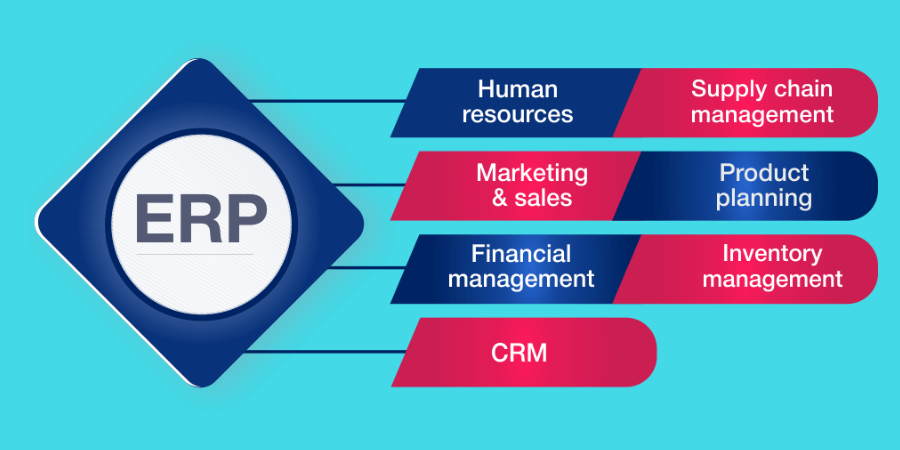
The evolution of technology has undeniably reshaped the landscape of ERP system development. With the advent of emerging technologies such as Artificial Intelligence (AI) and the Internet of Things (IoT), businesses are experiencing enhanced operational efficiencies and more insightful data analysis. This transformation allows organizations to remain competitive, adaptable, and forward-thinking, laying a solid foundation for future growth.AI and IoT are two of the most impactful technological trends influencing ERP systems today.
AI enhances ERP functionalities by automating tasks, predicting trends through data analysis, and providing advanced analytics that help organizations make informed decisions. For instance, AI-driven analytics can sift through vast amounts of data to identify patterns that could indicate shifts in consumer behavior or operational inefficiencies. Moreover, machine learning algorithms can continuously improve these insights over time, creating a self-optimizing ERP environment.On the other hand, IoT connects various devices and sensors to the ERP system, allowing real-time data collection and analysis.
This connectivity enhances visibility across the supply chain, enabling businesses to respond swiftly to fluctuations in demand or supply. For example, a manufacturing company could utilize IoT sensors to monitor equipment performance, predicting maintenance needs before they lead to significant downtime. This proactive approach significantly enhances resource management and operational efficiency.
Comparison of traditional and cloud-based ERP solutions
When comparing traditional ERP systems with cloud-based solutions, scalability and flexibility emerge as crucial differentiators. Traditional ERP systems often require significant upfront investments in hardware and software, along with extensive IT resources for maintenance and upgrades. This can limit scalability, as businesses may struggle with the constraints of their existing infrastructure. In contrast, cloud-based ERP solutions offer a more flexible approach.
They typically operate on a subscription basis, allowing organizations to scale services up or down based on their current needs without significant capital expenditure.Cloud-based ERP systems provide unparalleled accessibility, as users can access the system from anywhere with an internet connection. This flexibility boosts collaboration among teams, fostering a more agile approach to business operations. Additionally, updates and enhancements are rolled out automatically, ensuring that businesses always have access to the latest features without the traditional hassle of manual upgrades.
Furthermore, cloud solutions support integration with other modern technologies, such as AI and IoT, further enhancing their functionality. The result is a more comprehensive, adaptable system that can evolve alongside the organization.
“ERP systems are on the brink of a revolution, driven by AI and cloud technologies. The future lies in systems that are not just transactional but intelligent and integrated.” – Tech Industry Expert
These insights underscore the necessity for businesses to embrace new technologies and adapt their ERP strategies accordingly to maintain a competitive edge in an increasingly digital marketplace.
Customization versus standardization in ERP systems
The debate between customization and standardization in ERP systems is one of the most significant discussions in the landscape of enterprise software solutions. Businesses often find themselves at a crossroads when deciding whether to tailor an ERP system to meet their unique needs or to adopt a standardized solution that promises efficiency and lower costs. Both approaches have their advantages and disadvantages, and the choice ultimately depends on the specific requirements and strategic goals of the organization.Customization allows organizations to modify their ERP systems to fit their specific processes and workflows.
This approach can lead to a more efficient and user-friendly system that aligns closely with the business’s operational needs. For example, a manufacturing company might require specialized modules for production planning that a standard ERP does not provide. In this scenario, customization enables the business to integrate these functionalities, ensuring a seamless fit with their existing processes.On the other hand, standardization offers a more streamlined and cost-effective solution.
Standard ERP systems come with pre-designed functionalities that cater to common business processes across industries. For instance, a retail business may benefit from a standardized ERP system that includes inventory management, sales tracking, and customer relationship management. This approach not only reduces implementation time but also minimizes long-term maintenance costs, as standardized solutions are often easier to update and support.
Comparison of customization and standardization, Erp system development
The following table summarizes the pros and cons of both customization and standardization in ERP development:
| Criteria | Customization | Standardization |
|---|---|---|
| Flexibility | High; tailored to specific business needs. | Low; designed for general use across various industries. |
| Cost | High initial investment; ongoing costs for updates. | Lower upfront cost; maintenance tends to be less expensive. |
| Implementation Time | Longer; requires extensive planning and testing. | Shorter; faster to deploy with out-of-the-box solutions. |
| User Adoption | May be higher if the system meets specific user needs. | Can be lower if users find the system does not align well with their workflows. |
| Future Upgrades | Complex; may require re-engineering with each upgrade. | Simpler; upgrades are generally straightforward and well-supported. |
In conclusion, the decision between customization and standardization in ERP systems is not black and white. Organizations must carefully assess their unique needs, operational processes, and long-term goals to determine the most suitable approach for their ERP implementation.
The importance of training and support post-ERP deployment
Implementing an ERP system is a significant milestone for any organization, but the journey doesn’t end once the system goes live. Ongoing training and support are critical for maximizing the potential of the ERP system. Many users may find themselves overwhelmed by new processes and functionalities, making it essential to provide continuous education and assistance to ensure a smooth transition and effective use of the system.The necessity of ongoing training for users after ERP system implementation cannot be overstated.
Users often face challenges in adapting to a new system, which can result in decreased productivity and frustration. Regular training sessions help reinforce knowledge, bridge gaps in understanding, and update users on new features or changes. Moreover, as businesses evolve, so do their processes, necessitating a flexible approach to training that accommodates both new hires and existing employees. Providing a structured training program not only boosts user confidence but also enhances overall organizational efficiency.
Common support resources available to users post-deployment
After the deployment of an ERP system, having robust support resources is vital for ensuring users can navigate any issues that arise. Organizations should consider establishing the following support systems:
- User manuals: Comprehensive guides that detail system functionalities, often available in both print and digital formats.
- Helpdesk support: A dedicated team to assist users with technical questions and troubleshooting, available through various communication channels such as phone, email, or chat.
- Online forums and communities: Platforms where users can share experiences, ask questions, and receive insights from peers and experts.
- Regular training sessions: Scheduled workshops and refresher courses designed to update users on system changes and enhance their skills.
- Feedback mechanisms: Tools to allow users to provide feedback on system use and areas for improvement, fostering a culture of continuous improvement.
To ensure user adoption and satisfaction with the ERP system, organizations should adhere to several best practices. These practices serve to create an environment conducive to user engagement and system utilization:
- Involve users during the implementation phase to gather insights and build ownership.
- Communicate the benefits of the ERP system to the entire organization, emphasizing how it will streamline processes and enhance productivity.
- Provide diverse training formats (videos, live sessions, and hands-on workshops) to accommodate different learning preferences.
- Establish an internal champions program where enthusiastic users help train and support their peers.
- Regularly assess user satisfaction and system effectiveness through surveys and feedback sessions.
- Keep users informed about system updates and new features to maintain engagement and enthusiasm.
Future trends in ERP system development

As we look ahead, the landscape of ERP system development is set to undergo significant transformations that will redefine how businesses operate. The integration of advanced technologies, adaptive methodologies, and ever-evolving user needs will create a dynamic environment that shapes the future of ERP solutions. This evolution will not only enhance operational efficiency but also provide deeper insights into business performance, leading to more informed decision-making.One of the most impactful trends is the increasing reliance on Artificial Intelligence (AI) and Machine Learning (ML) within ERP systems.
These technologies are poised to revolutionize data analytics, allowing organizations to extract valuable insights from vast amounts of data. With AI-driven analytics, ERP systems will become smarter, enabling predictive modeling that can forecast trends, enhance inventory management, and optimize supply chain processes. This shift towards intelligent analytics will empower businesses to adapt swiftly to market changes and customer demands.
Impact of AI and Machine Learning on Data Analytics
The adoption of AI and ML in ERP systems will lead to significant advancements in data analytics capabilities. Below are several key areas where these technologies will make a profound impact:
Enhanced Predictive Analytics
By utilizing machine learning algorithms, ERP systems can analyze historical data to predict future trends. For instance, businesses can anticipate customer purchasing patterns, allowing them to optimize stock levels and tailor marketing strategies accordingly.
Improved Decision-Making
AI-driven insights will provide decision-makers with data-backed recommendations. This capability will streamline strategic planning and operational adjustments, helping organizations respond more effectively to changing market conditions.
Automated Reporting
AI can automate the generation of complex reports, reducing the time spent on manual data compilation. This will free up resources for more strategic tasks and improve overall productivity.
Personalized User Experiences
Machine learning can analyze user behavior and preferences, enabling ERP systems to deliver customized interfaces and functionalities. This personalization enhances user satisfaction and adoption rates.In the context of these advancements, industry leaders have made notable predictions regarding the evolution of ERP solutions. One such forecast comes from a leading technology analyst, who stated, “In the next five to ten years, we will witness ERP systems evolve into intelligent ecosystems that not only manage data but also actively learn from it to make real-time recommendations.” This highlights the expectation that future ERP systems will become increasingly autonomous and adaptive, minimizing the need for manual intervention.Furthermore, the trend toward cloud-based ERP solutions is expected to gain momentum.
Cloud technology offers flexibility, scalability, and cost-effectiveness, making it an appealing choice for businesses of all sizes. The transition to the cloud facilitates easier access to real-time data and fosters collaboration across departments, ultimately leading to improved business agility.As organizations continue to embrace digital transformation, ERP systems will also integrate with emerging technologies such as the Internet of Things (IoT) and blockchain.
IoT devices will provide ERP systems with real-time data from various operational touchpoints, while blockchain technology can enhance data security and transparency across the supply chain.Overall, the future of ERP system development will be characterized by a focus on intelligent automation, data-driven decision-making, and seamless integration with emerging technologies. These trends will not only enhance the functionality of ERP systems but also empower businesses to thrive in an increasingly competitive landscape.
Last Word
In conclusion, the journey of erp system development is filled with opportunities for organizations to thrive in an increasingly competitive landscape. By understanding the stages involved, addressing user requirements, and being aware of emerging challenges and trends, businesses can leverage ERP systems effectively. As technology continues to evolve, staying ahead of the curve will be crucial for future success.
Clarifying Questions
What is an ERP system?
An ERP (Enterprise Resource Planning) system is integrated software that manages and automates core business processes across various functions such as finance, HR, and supply chain.
Why is user training important after ERP implementation?
User training is crucial post-implementation to ensure that employees can effectively use the system, which enhances user adoption and maximizes the ROI on the ERP investment.
How does cloud-based ERP differ from traditional ERP?
Cloud-based ERP offers greater flexibility and scalability compared to traditional ERP systems, which often require significant upfront investment and can be less adaptable to changing business needs.
What are common risks associated with ERP implementation?
Common risks include inadequate user training, data migration issues, and resistance to change. Proper planning and management can help mitigate these risks.
How can businesses ensure successful ERP adoption?
Successful ERP adoption can be ensured through comprehensive training, ongoing support, and involving users in the implementation process to address their needs and concerns.